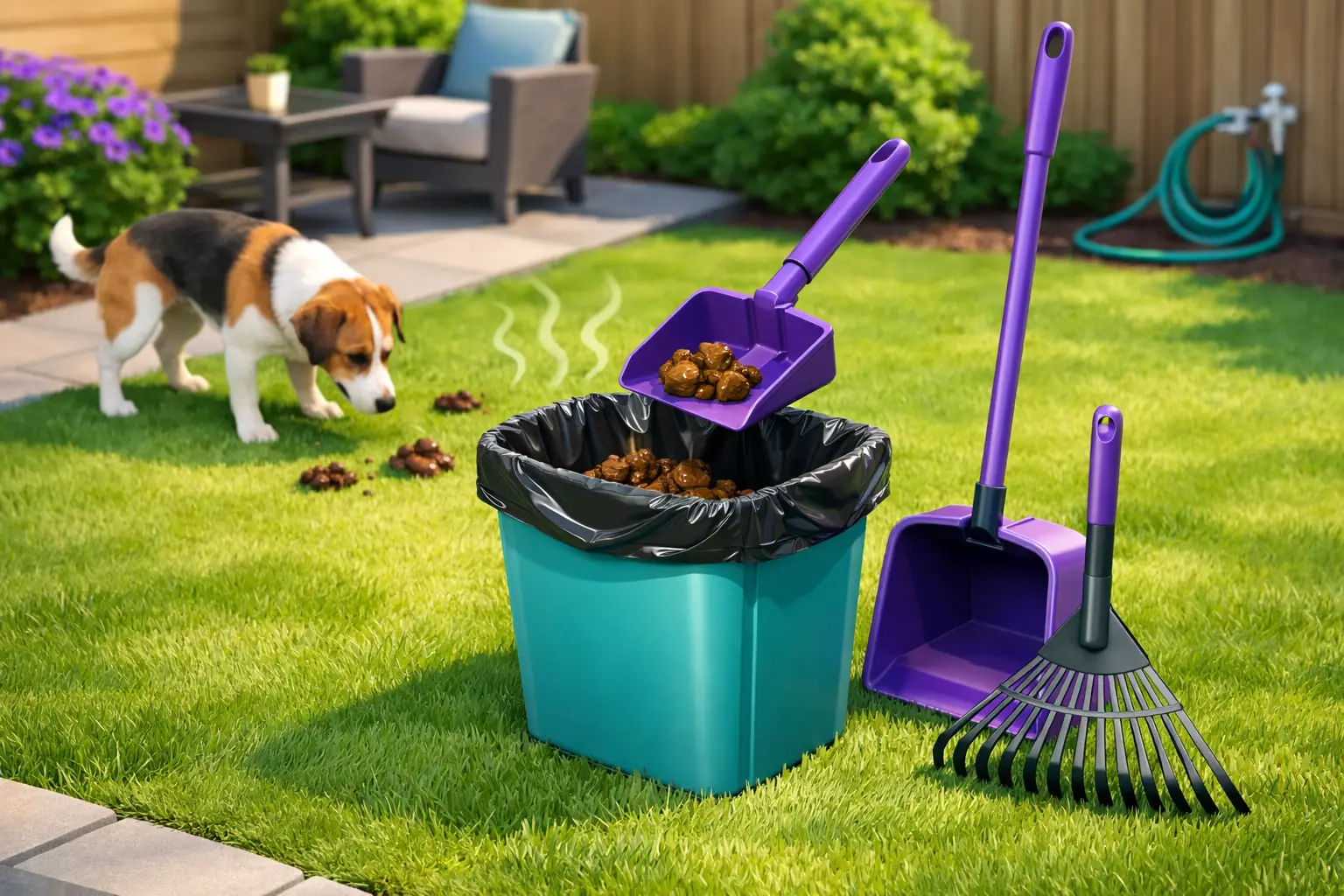
A yard can look fine from the kitchen window and still be unusable once the kids, dogs, or lawn mower head outside. When pet waste keeps piling up, the job is not just unpleasant – it becomes one more recurring chore that never really stays done. This subscription poop scooping service guide explains what recurring cleanup includes, how plans work, and how to choose a service you can count on.
What a Subscription Poop Scooping Service Does
A subscription poop scooping service handles the ongoing removal of dog waste from your property on a set schedule. Instead of remembering to clean the yard after a long workweek, you choose a frequency that fits your household, then a trained technician visits regularly to scoop, bag, and remove the waste.
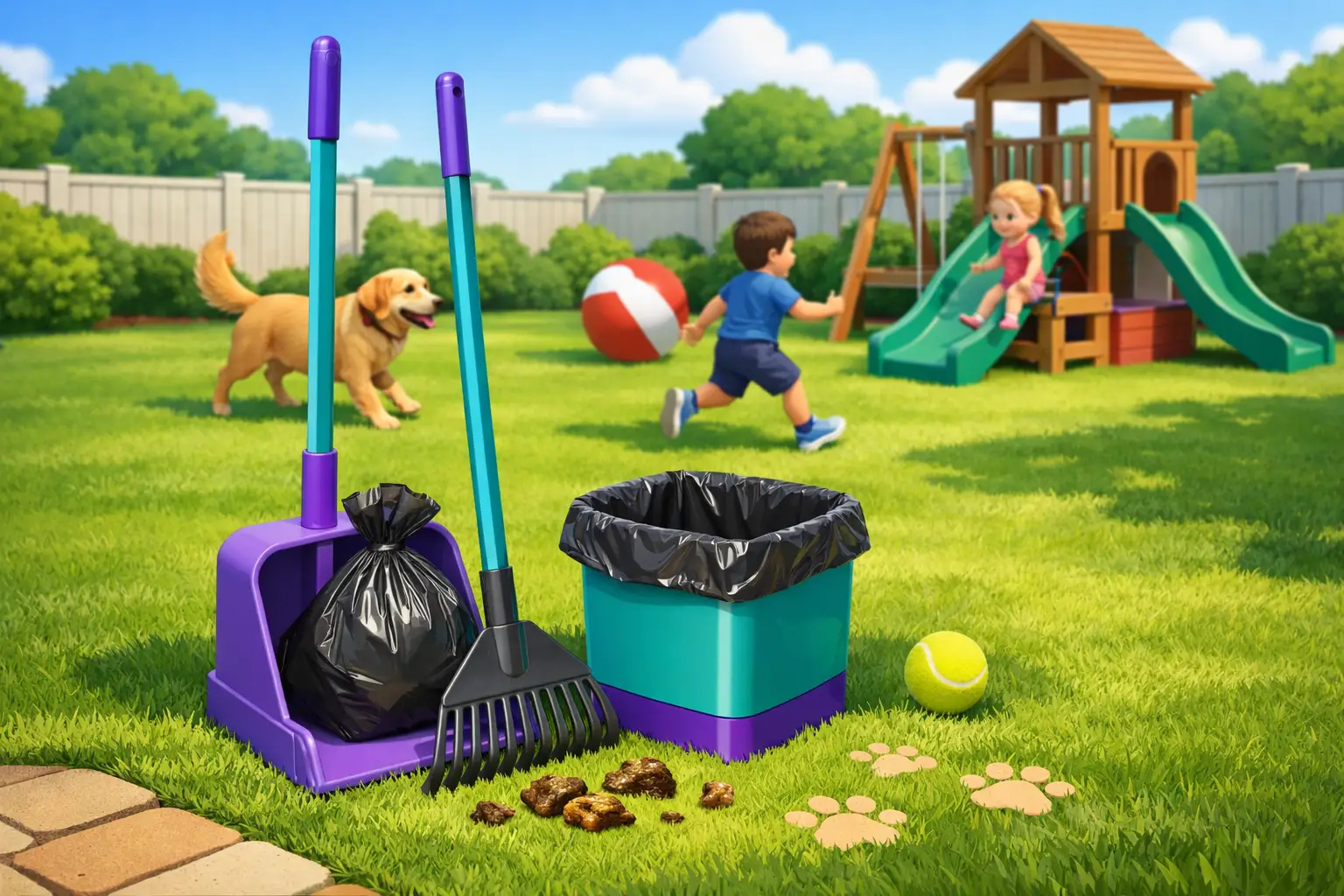
For most homes, the biggest benefit is simple: the yard stays ready to use. Dogs have a cleaner place to run, children are less likely to step in something unpleasant, and you do not lose your Saturday morning to a rake, bucket, and a job nobody wants.
Recurring service also solves the problem of inconsistency. One missed cleanup may not feel like much, but several missed cleanups can turn a small task into a messy, time-consuming project. A set schedule keeps the problem from building up in the first place.
Choosing the Right Visit Frequency
There is no single schedule that works for every dog owner. The right frequency depends on the number of dogs, yard size, how often the yard is used, and how much cleanup you want to handle yourself between visits.
Weekly service is often a good fit for one dog in a typical residential yard. It keeps waste under control without requiring frequent appointments. Twice-weekly visits make sense for multi-dog households, families with young children, or homes where the backyard is used every day for play, cookouts, and dog exercise.
Some customers prefer a one-time initial cleanup before beginning recurring service. This is especially helpful after winter, a vacation, a move, or a stretch of bad weather. Starting with a clean slate lets the recurring plan do what it is meant to do: maintain a clean lawn rather than catch up on months of buildup.
For apartment communities, parks, and shared dog areas, service may need to be more frequent. High foot traffic changes the equation. Property managers should consider the number of dogs using the space, the visibility of the area, and how quickly complaints or safety concerns can grow when waste is left behind.
What Happens During a Typical Visit
Reliable service should feel easy on your end. In most cases, you do not need to be home as long as the technician can safely access the yard. Gates should be unlocked, dogs should be secured indoors or in a separate area, and any access instructions should be clearly shared before the visit.
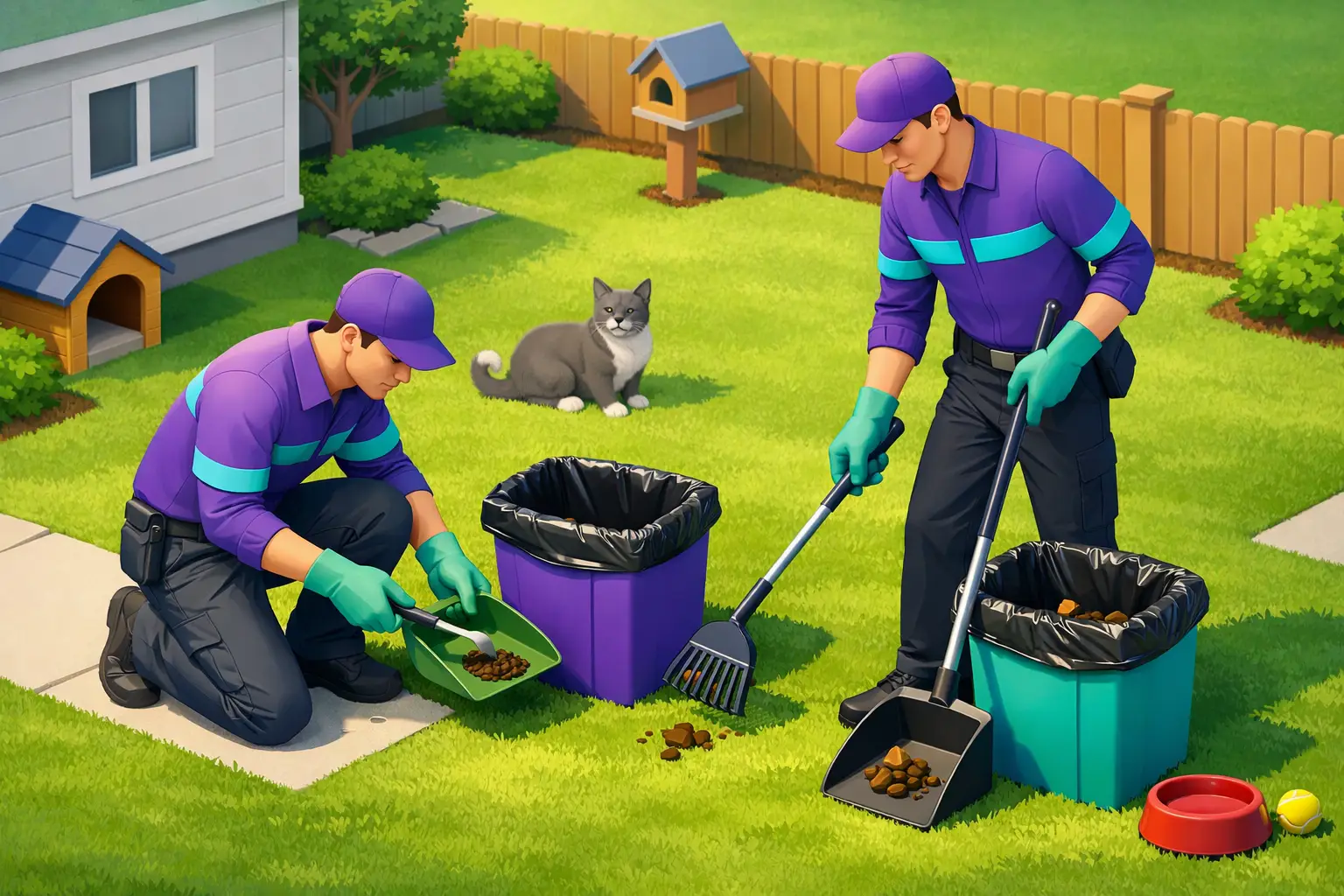
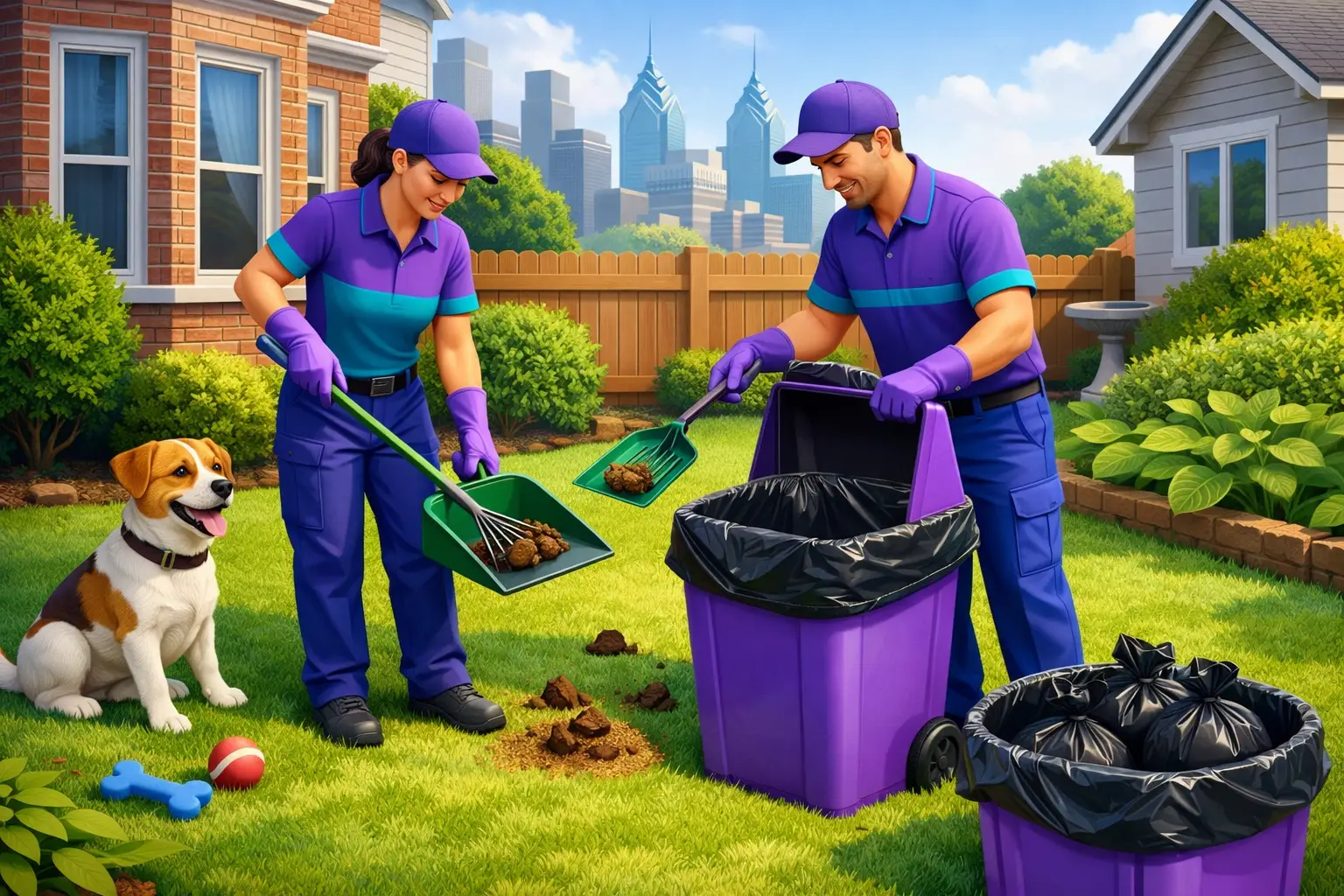
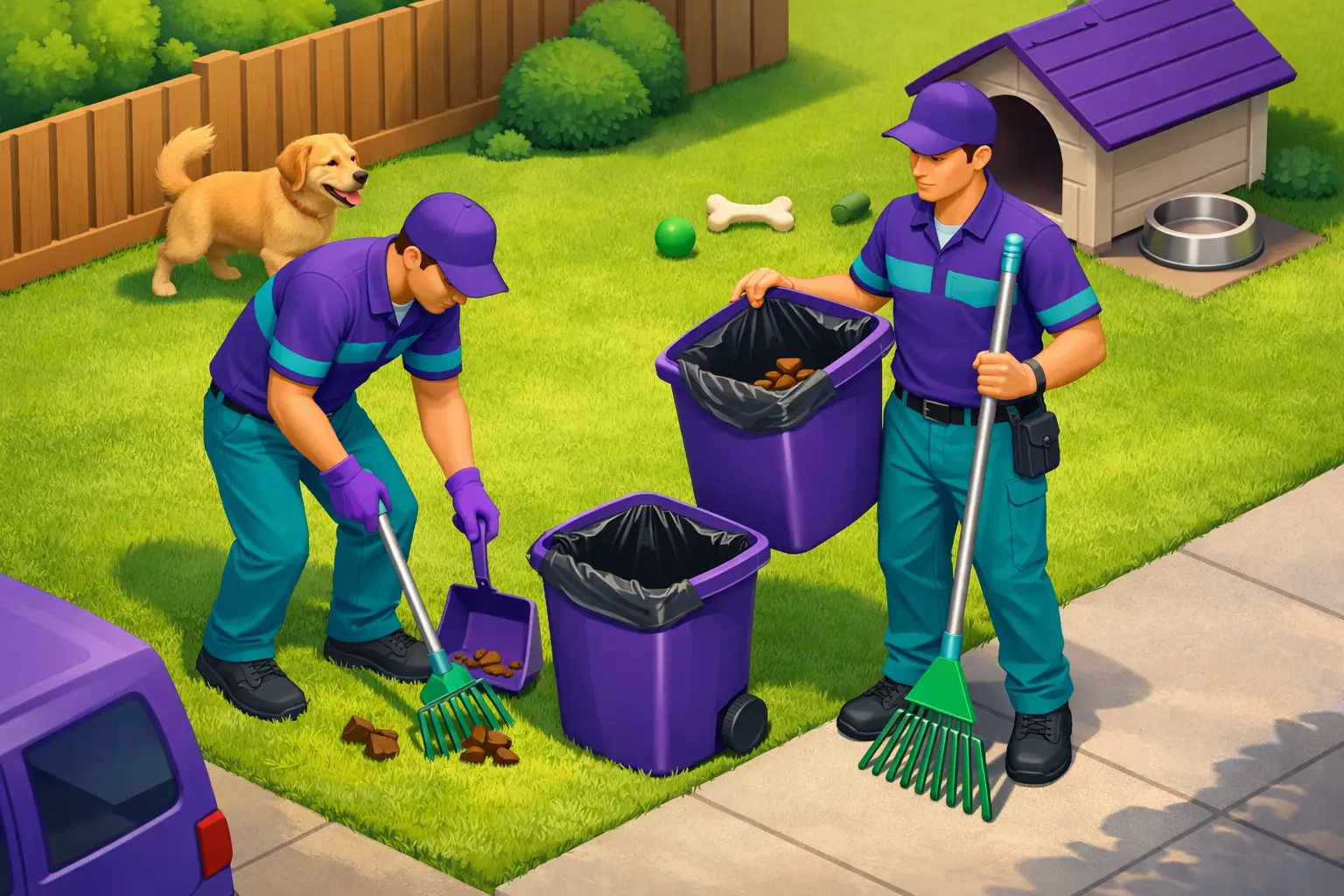
The technician walks the service area carefully, removes visible pet waste, bags it, and takes it away for proper disposal. A professional routine matters because missed spots defeat the purpose of paying for recurring cleanup. The goal is not a quick pass through the yard. It is a clean area you can use with confidence.
Many homeowners also appreciate visit notifications and simple account management. When billing, scheduling, and service notes are easy to manage online, the subscription does what it should: remove work from your plate instead of creating more follow-up.
Access, Pets, and Weather
Clear access is one of the most important parts of dependable service. Let your provider know about gate codes, locked side entrances, unusual yard layouts, or any areas that should not be entered. If your dog is friendly but excitable, secure them anyway. This protects your pet and gives the technician room to do a thorough job.
Weather can affect timing, particularly during heavy rain, snow, ice, or unsafe conditions. A good provider will communicate when a route must be adjusted and make a reasonable plan to return. In the Greater Philadelphia area, winter weather and muddy spring yards are real factors, so flexibility and communication matter as much as the scheduled day itself.
Understanding Subscription Pricing
Pricing for recurring poop scooping is usually based on the factors that affect labor: number of dogs, visit frequency, yard condition, and the type of property. A small yard with one dog generally takes less time than a large property with several dogs, so the plans should reflect that.
Before signing up, make sure you understand whether the quoted price covers waste removal, disposal, and recurring visits. Ask how an initial cleanup is handled if the yard has accumulated waste, and whether pricing changes when you add another dog or adjust service frequency.
The lowest starting price is useful, but consistency is worth more than a bargain that creates frustration. Look for straightforward monthly billing, clear service terms, and a provider that answers questions directly. You should know what you are paying for without having to decode fine print.
When Add-On Services Make Sense
Pet waste removal is the core service, but some properties benefit from extra care. Add-ons are most useful when they solve a real maintenance issue rather than simply making the invoice longer.
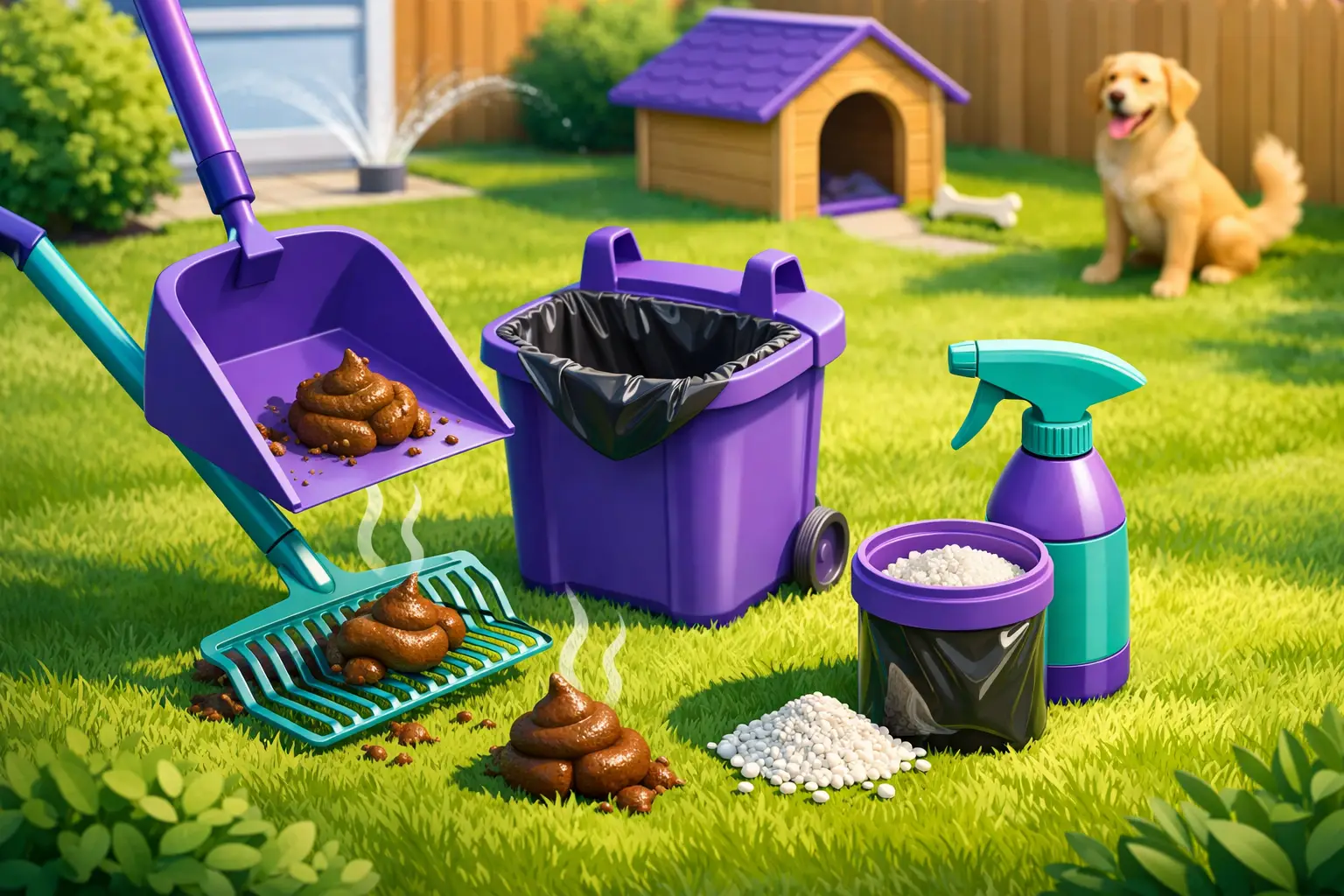
Deodorizing and sanitizing can help in heavily used dog areas, especially during warm weather when odors become more noticeable. Pet waste bin maintenance can keep a designated disposal area cleaner for communities and shared properties. Power washing may be helpful for patios, walkways, kennel areas, or surfaces where residue and odor have built up.
For landlords, apartment managers, and municipalities, regular pet station service and park maintenance can be a practical way to protect shared spaces. Empty stations, overflowing bins, and unclean dog areas affect how residents and visitors view the property. Consistent attention helps prevent small issues from becoming recurring complaints.
What to Look for in a Provider
Letting someone onto your property requires trust. A professional poop scooping company should make that trust easier to give through clear communication, dependable scheduling, and trained, identifiable staff.
Look for a company that explains its process, provides a simple quote, and gives you a way to update your account without chasing down a person by phone. Uniformed, vetted technicians are a meaningful advantage, particularly for customers who need service while they are at work or away from home.
Local accountability matters, too. A family-owned business that works in the same communities it serves has a direct reason to earn repeat customers through good work and responsive service. Poop Scoop Protocol focuses on that practical standard: clean lawns, happy dogs, and less work for the people who live with them.
A Few Questions Worth Asking Before You Enroll
A quick conversation before service begins can prevent confusion later. Ask how your first visit is scheduled, what happens if the gate is locked, whether waste is removed from the property, and how weather-related delays are handled. If you manage a commercial property, ask about route frequency, pet station servicing, and the process for reporting an urgent issue.
It is also reasonable to ask how to pause, change, or cancel service if your needs change. A subscription should be convenient, not restrictive. Life changes, dogs are added to households, and yard access can shift with a renovation or move.
The best recurring cleanup plan is the one you barely have to think about. Choose a schedule that matches how your household or property uses its outdoor space, give your provider clear access, and let a regular routine keep the mess from taking over your lawn.