That moment when you step into the yard and catch a strong dog smell is usually not about one problem. If you’re wondering how to remove dog odor outside, the fix starts with finding the source, then cleaning the right surfaces the right way. Most outdoor odors come from a mix of pet waste, urine, damp spots, dirty bins, and buildup on concrete or turf.
The good news is that outdoor dog odor is usually manageable. The less fun truth is that air fresheners and quick sprays rarely solve it for long. If the smell keeps coming back, something in the yard is holding onto it.
How to remove dog odor outside without wasting time
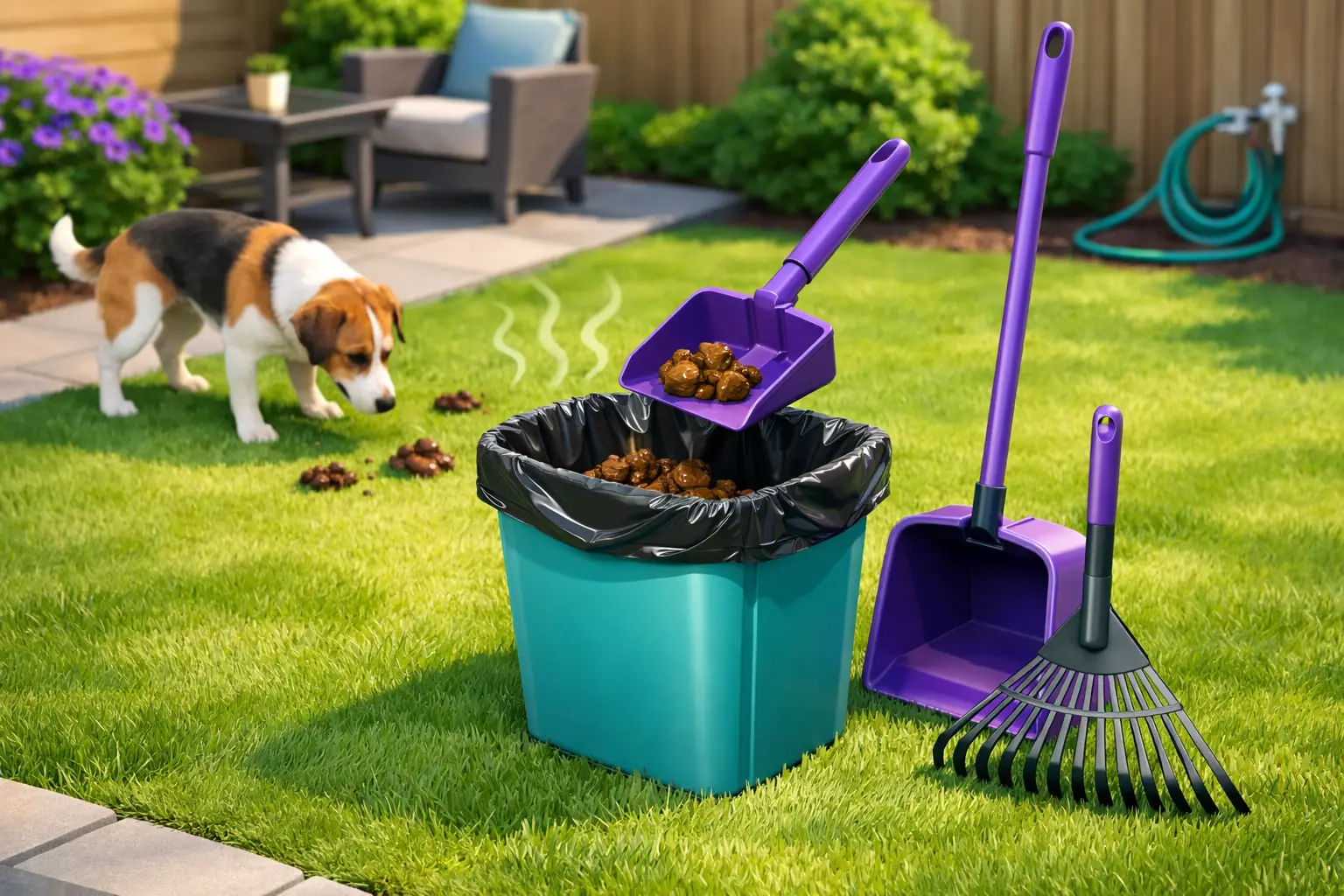
Start with the obvious first. Pick up all pet waste, and do it thoroughly. Even one missed pile can throw off the whole yard, especially in warm weather or after rain. If you have multiple dogs, the odor load adds up fast, and what seems like a mild smell one day can become a bigger problem by the weekend.
Once waste is removed, look at where your dogs usually pee. Those repeat spots matter more than the rest of the lawn. Grass can recover from occasional use, but constant urine in one area creates a concentrated smell that sticks to soil, gravel, mulch, turf, fence lines, and patios.
After that, check anything that holds moisture. Dog odor outdoors gets worse when urine or bacteria settles into damp places. That includes shaded corners, artificial turf backing, wooden decking, outdoor rugs, kennel flooring, and the base of trash or waste bins.
The most common sources of outdoor dog odor
Pet waste left too long
This is the biggest one. Even if you pick up regularly, a yard that goes too long between cleanings can start to smell sour and heavy. Heat speeds it up. Rain spreads residue into the grass and soil. If the yard is small, the odor gets concentrated even faster.
A one-time cleanup helps, but recurring removal is what keeps the smell from rebuilding. That is especially true for busy households, landlords managing shared spaces, and anyone with more than one dog.
Urine buildup in the same area
Dogs are creatures of habit. Many will return to the same corner, patch of gravel, or edge of the patio every day. Over time, that area becomes the real odor source, even if the lawn looks fine from a distance.
Urine smell outside can be tricky because it sinks below the surface. A quick rinse may cut the smell for a day, but if residue is sitting deeper in the material, it comes right back.
Smelly surfaces and accessories
The yard itself may not be the only issue. Waste bins, scoops, artificial turf, patio pavers, dog runs, drains, and even the bottom of fences can hold odor. If you clean the lawn but ignore those surfaces, the smell lingers and makes it seem like nothing worked.
Poor drainage
If part of your yard stays wet, odor hangs around longer. Standing water or soggy ground keeps bacteria active and traps smells close to the surface. This is one of those cases where cleaning helps, but the layout of the space also matters.
The right way to clean each problem area
Grass and soil
For natural lawns, remove all solid waste first. Then thoroughly rinse the most-used potty areas with water. A light spray is usually not enough. You want enough water to dilute and move urine through the soil, not just wet the top layer.
If the smell is still strong, use an outdoor pet-safe odor neutralizer designed for lawns. The key word is neutralizer, not fragrance. Perfume only masks the problem. Enzyme-based products can help break down organic matter, but results depend on the weather, the amount of buildup, and how saturated the area already is.
If your dogs always use the same patch, consider rotating their bathroom area if possible. That gives one section time to recover instead of asking the same few square feet to handle everything.
Concrete, pavers, and patios
Hard surfaces hold odor surprisingly well, especially if they are textured or porous. Sweep first, then rinse. After that, use a pet-safe cleaner or deodorizer and scrub the surface so you are actually lifting residue out of the pores.
Power washing can help on concrete and pavers when odor has built up over time. It is especially useful near doors, patios, dog runs, and walkways where urine dries repeatedly. Just keep in mind that washing alone may not fully remove the smell if bacteria has settled deep into joints or cracks. In those cases, a deodorizing treatment after washing usually works better than water alone.
Artificial turf
Artificial turf needs a little more care because odor can sit in the blades, backing, and infill. Pick up waste promptly, rinse often, and make sure the turf drains properly. If the smell is strong, use a cleaner made for pet turf and flush the area thoroughly.
When turf odor keeps returning, the issue is often below the surface. Poor drainage, trapped debris, or saturated infill can hold smells no matter how much you spray the top. That is where a deeper cleaning approach matters.
Dog waste bins and cans
A clean yard can still smell bad if the waste container is dirty. Hose out the bin, scrub it with soap or a pet-safe disinfecting solution, and let it dry before adding a fresh liner. If you keep the can in the sun, odor gets stronger, so a shaded spot can help.
This is one of the easiest fixes people overlook. Sometimes the yard smell is really just the bin drifting across the yard.
What not to do when trying to remove dog odor outside
Bleach is a bad shortcut. It can damage grass, irritate paws, and create fumes you do not want around pets or kids. Household cleaners meant for indoor floors are also a poor fit outdoors, especially on lawns or around drainage areas.
Another common mistake is overusing fragrance sprays. If the yard smells like perfume and dog waste at the same time, you have not solved anything. The goal is to remove the source, not cover it.
It is also easy to underestimate how often cleanup needs to happen. Weekly might be fine for one dog in a large yard. It may not be enough for two or three dogs in a smaller space. It depends on how much use the yard gets, what surfaces you have, and how hot or wet the weather has been.
When the smell keeps coming back
If you have cleaned everything and the odor still returns, there is usually a deeper reason. The most common are missed waste, soaked-in urine, dirty bins, or surfaces that need more than a rinse. In shared properties, the issue can also be simple inconsistency. If cleanup happens only when someone remembers, odor has plenty of time to build back up.
This is where routine matters more than intensity. A yard does not usually stay fresh because it got one big cleaning. It stays fresh because waste is removed consistently, problem areas are treated early, and the surfaces that trap odor get attention before they become a bigger job.
For families with packed schedules, older homeowners, property managers, or anyone tired of chasing the smell every few days, outsourcing the dirty work can make more sense than fighting the same odor cycle over and over. In Greater Philadelphia, that is exactly the kind of problem Poop Scoop Protocol helps solve with recurring cleanup and outdoor care support that keeps spaces cleaner, safer, and easier to use.
A simple maintenance plan that actually works
Outdoor odor control gets easier when you stop treating it like a one-time project. Pick up waste on a consistent schedule. Rinse high-use urine areas regularly. Clean bins before they start smelling. If you have turf, gravel, or concrete, treat those surfaces as odor sources too, not just the lawn.
If one area of the yard always smells worse, focus there first. You do not need to deep clean every square foot every week. You need to stay ahead of the places where your dogs actually spend their time.
Weather also changes the game. Summer heat makes smells stronger. Rain can reactivate old odor in soil and on hard surfaces. A yard that seemed fine in cool weather can suddenly smell rough in July. That does not mean your cleaning failed. It usually means the buildup was already there and the weather exposed it.
A fresh-smelling yard is less about fancy products and more about consistency. Remove what is causing the odor, treat the surfaces that hold onto it, and keep the problem from piling up again. Your yard should be a place where your family and your dogs want to spend time, not a place you avoid after opening the back door.