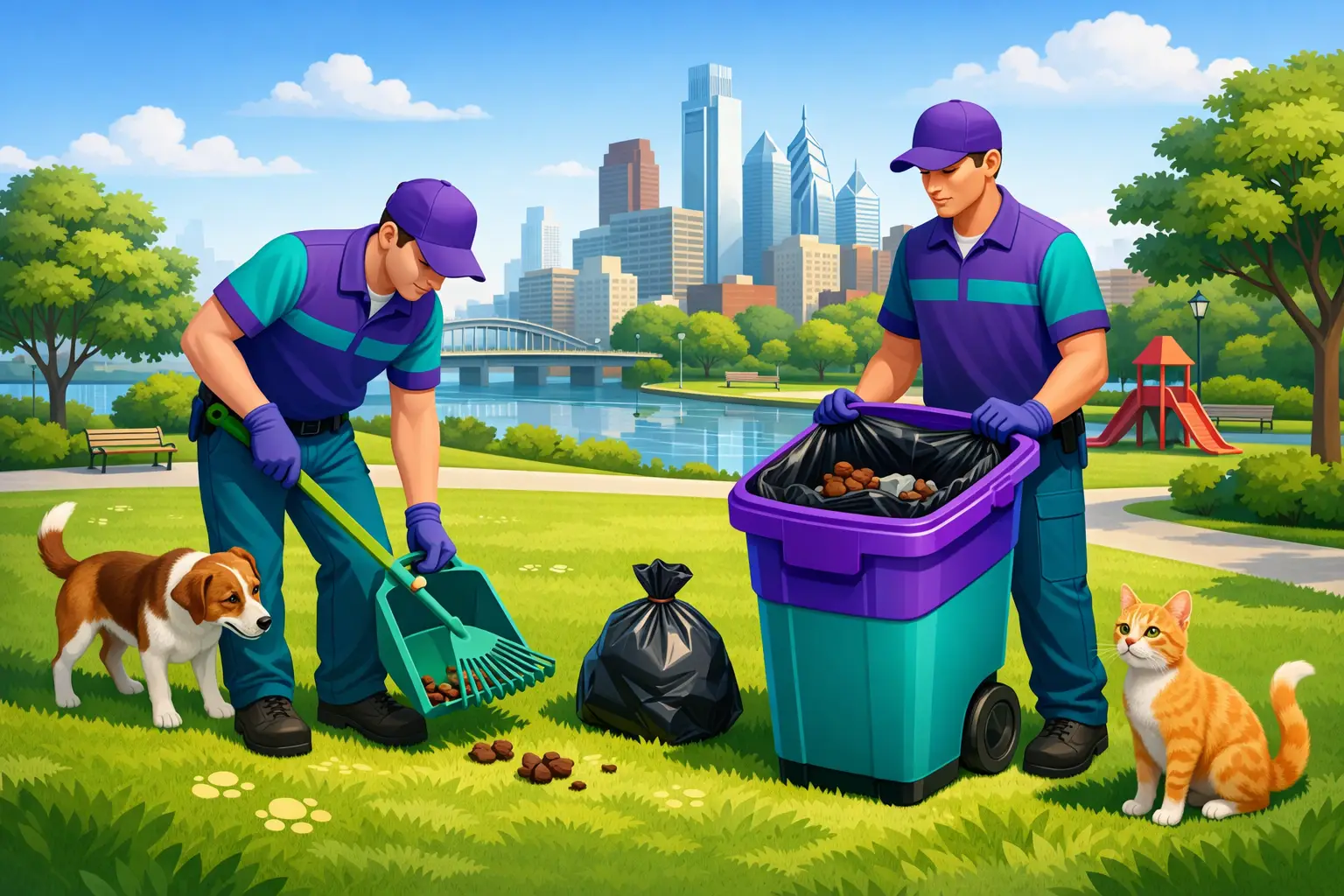
For a property manager, commercial pet waste Philadelphia service is usually noticed only when it fails. A missed cleanup can turn a dog run, apartment lawn, or community walkway into a source of complaints fast. Residents avoid the space, visitors notice the mess, and maintenance teams lose time handling a job that keeps coming back.
Consistent pet waste removal is a simple way to protect the condition and reputation of a shared property. It keeps outdoor areas more usable for dogs and people, reduces unpleasant odors, and helps staff focus on the work that actually requires their attention. Clean grounds are not a luxury at a pet-friendly property. They are part of the experience residents and visitors expect.
Commercial Pet Waste Philadelphia Properties Can Rely On
Commercial pet waste management works best as a routine, not a response to a complaint. Waiting until a problem is visible means the cleanup is already behind. Scheduled service keeps waste from accumulating around pet stations, common lawns, sidewalks, designated dog areas, and landscaped spaces.
This matters across Greater Philadelphia, where apartment communities, townhome associations, parks, and mixed-use properties often have plenty of dog traffic in a relatively small shared area. One unattended corner can become the default relief spot for dozens of pets. Without regular service, that pattern quickly creates odor, stains, insects, and frustration for everyone using the grounds.
A dependable service plan also gives property managers a clear point of accountability. Rather than asking a maintenance employee to squeeze poop pickup between repairs, turnover work, snow response, and landscaping, the property has a dedicated routine and trained staff assigned to the task.
Cleaner Common Areas Make a Better Impression
Pet-friendly amenities can help a property feel more welcoming, but only if they are maintained. Dog waste near a leasing office, playground, walking path, or outdoor seating area sends the opposite message. It makes the property look neglected, even when the rest of the grounds are well cared for.
Routine cleanup helps preserve the spaces people see and use every day. For apartment and condo communities, that can mean cleaner courtyards, dog runs, grass strips, and paths between buildings. For parks and municipal properties, it can mean a more enjoyable experience for families, walkers, and responsible dog owners. For landlords, it can mean fewer tenant complaints and less cleanup needed between occupancy changes.
The benefit is practical, too. Less waste on the ground means fewer unpleasant surprises for residents, employees, vendors, and visitors. It is one less reason for someone to call the office or leave with a poor impression of the property.
How Often Should Commercial Pet Waste Be Removed?
The right pickup schedule depends on the number of dogs, the size of the property, the layout of the grounds, and the way residents use the space. A small shared lawn with a few dogs may do well with weekly service. A busy dog park or large apartment community may need multiple visits each week to stay clean.
There is no benefit to paying for more visits than a property needs, but under-scheduling creates the same cycle every time: buildup, complaints, emergency cleanup, then more buildup. A good starting point is to consider the busiest areas first. If pet waste is regularly visible around stations, paths, or dog runs before the next planned visit, the schedule likely needs to increase.
Seasonality can change the equation. Spring rain, summer heat, move-in season, and holiday travel can all affect how heavily outdoor spaces are used. Properties with large dog populations may also need extra attention after weekends. Flexible service is valuable because grounds do not always follow a perfect calendar.
More Than a Quick Walk Around the Lawn
A commercial cleanup plan should be tailored to the property, not treated as a one-size-fits-all route stop. Staff should know which areas need attention, where residents tend to walk dogs, and how to access the grounds without disrupting normal operations.
At Poop Scoop Protocol, commercial service can be paired with helpful outdoor maintenance options when the property needs more than routine removal. Depending on the space, that may include pet station servicing, pet waste bin maintenance, deodorizing, sanitizing, power washing, and park or dog-area maintenance support.
These services solve different problems. Waste removal handles the daily mess. Pet station service helps make sure bags are available and bins are cared for. Deodorizing can be useful in enclosed dog runs or high-traffic areas where smells linger. Power washing may make sense for hard surfaces, but it is not necessary for every property or every visit.
The goal is not to add services just to add them. It is to create a maintenance plan that fits the property’s real conditions and budget.
What Property Managers Should Look For
Commercial pet waste work requires consistency. The job may sound simple, but a rushed or unreliable provider can leave behind the very problem the service is supposed to prevent. Before choosing a provider, managers should look for a clear service schedule, straightforward communication, trained staff, and an easy way to manage billing or update service needs.
It also helps to ask how the provider handles details such as gated access, large grounds, pet station checks, weather delays, and areas with repeat waste issues. Those answers reveal whether the company is prepared to support a property over time or simply make an occasional visit.
A strong commercial partner should make the process easier for the onsite team. That means showing up as scheduled, working professionally around residents, and providing a reliable system instead of creating another task for the property manager to chase down.
A Simple Plan for Shared Outdoor Spaces
The most effective properties make pet waste management visible enough to be convenient, but routine enough that it does not become a daily concern. Well-placed pet stations encourage responsible pickup. Clear community expectations help residents understand their role. Scheduled professional cleanup handles what inevitably gets missed.
For larger properties, it can be useful to walk the grounds and identify the areas that receive the most dog traffic. Entrance lawns, shaded edges, dog runs, and the perimeter of parking areas are common trouble spots. Once those areas are identified, a service plan can prioritize them while still covering the full property.
This approach also supports better communication with residents. When people see stocked stations and clean common areas, they are more likely to treat the property with care. When bins overflow and waste sits for days, the opposite happens. Cleanliness sets the standard.
Protect the Space People Share
Commercial pet waste removal is a small operational decision with a noticeable effect on a property’s daily appearance. It helps create cleaner lawns, happier dogs, and fewer headaches for the people responsible for keeping everything running.
Whether you manage an apartment community, a neighborhood association, a park, or another shared outdoor space, the right schedule can keep pet waste from becoming everyone’s problem. A clean property gives residents one more reason to enjoy where they live, walk, and play.