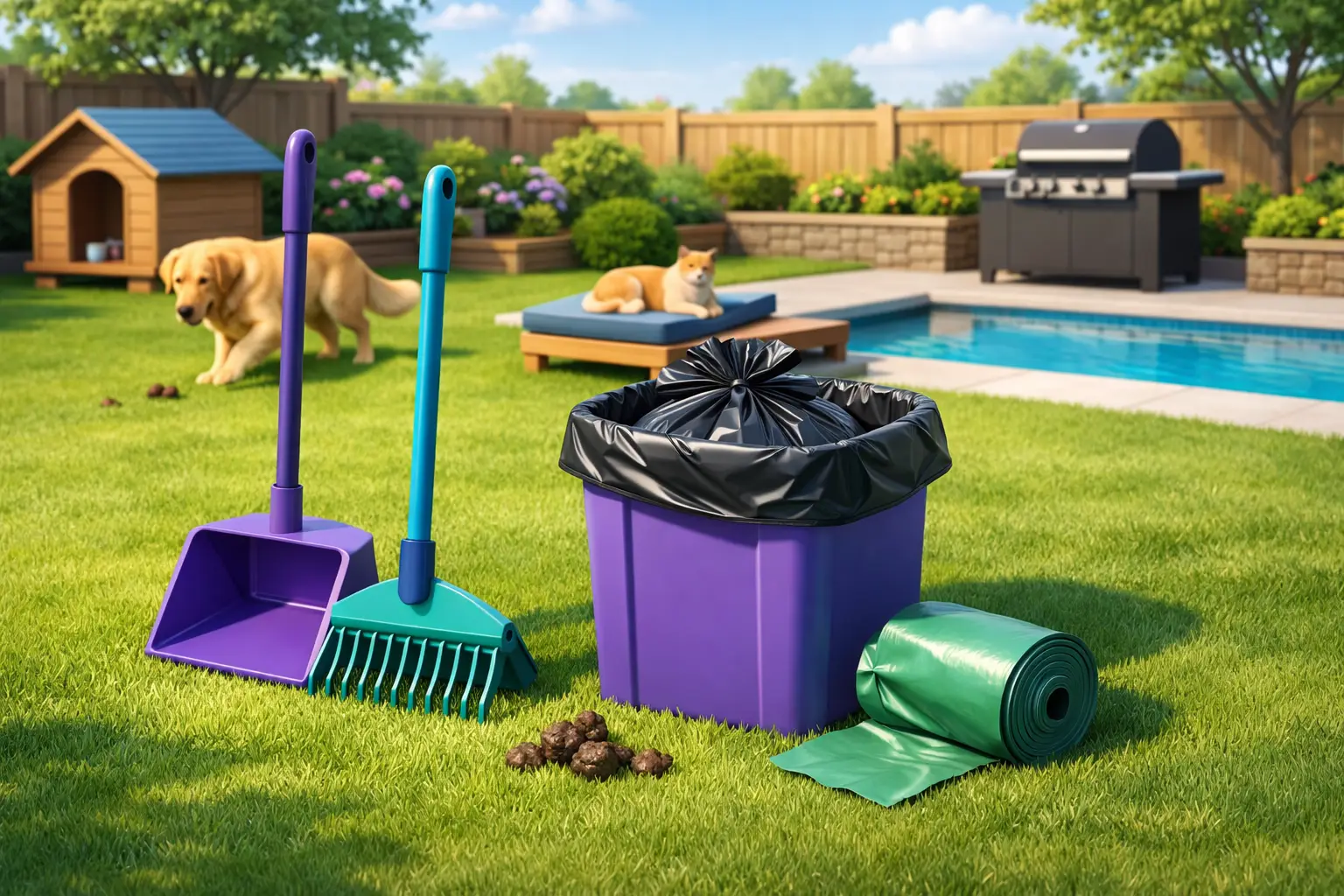
A backyard can look perfectly neat and still have an unpleasant smell. For dog owners, the usual culprit is not always obvious: a missed pile behind the shed, a damp patch of grass, a trash bin baking in the sun, or a drainage problem that holds water after every storm. Learning how to maintain an odor-free backyard comes down to staying ahead of those small sources before they become a bigger problem.
The good news is that you do not need to cover your yard in harsh chemicals or spend every Saturday scrubbing. A consistent cleanup routine, smart moisture control, and a little attention to the places odors like to hide can keep your outdoor space fresh, safe, and ready to use.
Start With Consistent Pet Waste Removal
Dog waste is the most common source of backyard odor, especially in multi-dog homes. It breaks down quickly in warm, humid weather, and rain can carry the smell deeper into grass, mulch, gravel, and soil. Even a yard that is picked up once a week can develop odor if several piles are left sitting through a hot Philadelphia-area summer weekend.
For one dog, daily pickup is ideal. For households with two or more dogs, checking the yard every day is the best way to prevent buildup. Focus on the spots your dog uses most often, but do not forget fence lines, corners, bushes, and areas behind outdoor furniture. Dogs often return to the same locations, which means those areas need extra attention.
If daily scooping is one more task you do not have time for, recurring pet waste removal is a practical solution. A dependable service keeps waste from accumulating and gives you one less unpleasant chore on your list. Poop Scoop Protocol provides routine cleanup for Greater Philadelphia dog owners who want clean lawns without having to do the hard part themselves.
Clean the Ground, Not Just the Waste
Picking up waste removes the main source, but residue can remain in the grass or on hard surfaces. That residue can create a lingering smell, particularly around patios, kennel runs, artificial turf, dog runs, and shaded areas that stay damp.
For grass, a gentle rinse after cleanup can help dilute residue during dry periods. Do not overwater, though. Too much moisture can create its own musty smell and weaken your lawn. If a certain area smells stronger than the rest of the yard, use a pet-safe outdoor odor treatment designed for lawns and soil. Follow the label closely and give pets and children time to stay off the area if instructed.
Hard surfaces need a different approach. Concrete, pavers, decks, and artificial turf can trap organic matter in tiny cracks and fibers. Sweep first, then rinse with water. For stubborn spots, use an outdoor cleaner that is safe for pets when used as directed. Periodic power washing can be especially helpful for patios, walkways, trash pad areas, and shared dog spaces.
Keep Moisture From Feeding Backyard Odors
Odor and standing water are a bad combination. When water collects in low areas, organic debris begins to break down. Add pet waste, wet leaves, mud, or mulch, and the result can be a sour, swampy smell that does not go away with one quick rinse.
Walk your yard after a heavy rain and look for puddles that remain more than a day or two. A small low spot may be improved with soil and seed. Larger drainage problems may require regrading, extending a downspout, or speaking with a landscape professional. The right fix depends on where the water is coming from and whether it is affecting your home, a neighbor’s property, or a shared outdoor space.
Shade also matters. A heavily shaded corner may stay wet even when the rest of the lawn is dry. Raking away damp leaves, trimming back overgrown plants, and giving the area better airflow can make a noticeable difference. If your dog uses that spot as a bathroom, consider guiding them to a better-draining area instead.
Maintain the Places Odors Hide
The lawn gets most of the attention, but backyard odors often come from containers, drains, and overlooked edges. A clean yard can still smell bad if the poop bin, outdoor trash can, or dog station has not been maintained.
Keep pet waste in a covered container lined with a durable bag. Empty it regularly, especially during warm weather. If the inside of the bin smells strong after emptying, rinse it and use a pet-safe deodorizing cleaner before adding a fresh liner. Let the container dry fully when possible. Moisture inside a closed bin gives odor-causing bacteria an easy place to thrive.
Check outdoor drains and catch basins for leaves, grass clippings, and debris. These spots can hold water and produce a rotten smell. Also inspect under decks, around sheds, beside fences, and beneath shrubbery. A forgotten bag, an old toy, wet mulch, or a buildup of leaves can become the source of an odor that seems impossible to locate.
For apartment communities, parks, and shared dog areas, regular pet station service and bin maintenance are especially important. One overflowing station can affect how residents and visitors perceive the whole property.
Use Lawn Care Habits That Support a Fresh Yard
Healthy grass helps absorb moisture and makes the yard easier to clean, but lawn care needs balance. Cutting grass too short can expose soil, create stress, and make worn dog areas more noticeable. Letting it grow too long makes waste harder to spot and collect. Keep your mower at a sensible height for the season and avoid leaving thick clumps of clippings behind.
Remove fallen leaves promptly in autumn. Wet leaves trap moisture, block airflow, and can hide pet waste. The same goes for excess mulch. Mulch is useful around plants, but layers that are too thick can hold moisture and develop an earthy, decaying smell. Refresh mulch as needed, but do not pile it against your home, fence, or dog run.
If urine is creating yellow patches or concentrated odors, encourage your dog to use a designated bathroom area. Gravel, pea stone, or a well-draining patch of turf can work, depending on your dog and yard layout. Rinsing that area occasionally helps, but avoid trying to solve the problem with large amounts of fertilizer or household products. Some popular DIY remedies can damage grass or irritate paws.
How to Maintain an Odor-Free Backyard With Dogs
The most effective plan is simple: remove waste quickly, prevent standing water, clean high-use surfaces, and maintain bins before they get smelly. Consistency matters more than buying a shelf full of sprays.
Your schedule may change with the weather. Summer calls for more frequent pickup and bin emptying because heat intensifies odors. During rainy weeks, pay closer attention to drainage, mud, and damp turf. In winter, waste can be easier to overlook under snow or frozen grass, so a regular route through the yard still helps.
If an odor appears suddenly and does not improve after cleanup, investigate before masking it. Check for a drainage issue, a dead animal, spoiled trash, moldy debris, or a problem around a deck or shed. A strong sewage-like odor may point to a plumbing or drainage concern that needs professional attention.
A fresh backyard is not about making your outdoor space smell like perfume. It is about removing the sources of odor so your family, guests, and dogs can enjoy a yard that simply feels clean. A few dependable habits – or a little help with the weekly scooping – can keep it that way all year.