A full pet waste station looks bad fast. An empty one is worse. When bag dispensers run dry, trash bins overflow, or odors start hanging around the walkway, residents notice – and so do visitors. That is exactly where a pet station maintenance service makes a real difference. It keeps dog relief areas usable, cleaner, and far less likely to become a source of complaints.
For apartment communities, HOAs, parks, and shared-use properties, pet stations are only useful when someone is actually maintaining them. Installing the station is the easy part. The ongoing work is what protects the property, supports pet owners, and keeps common areas from slipping into a constant cleanup problem.
What pet station maintenance service actually includes
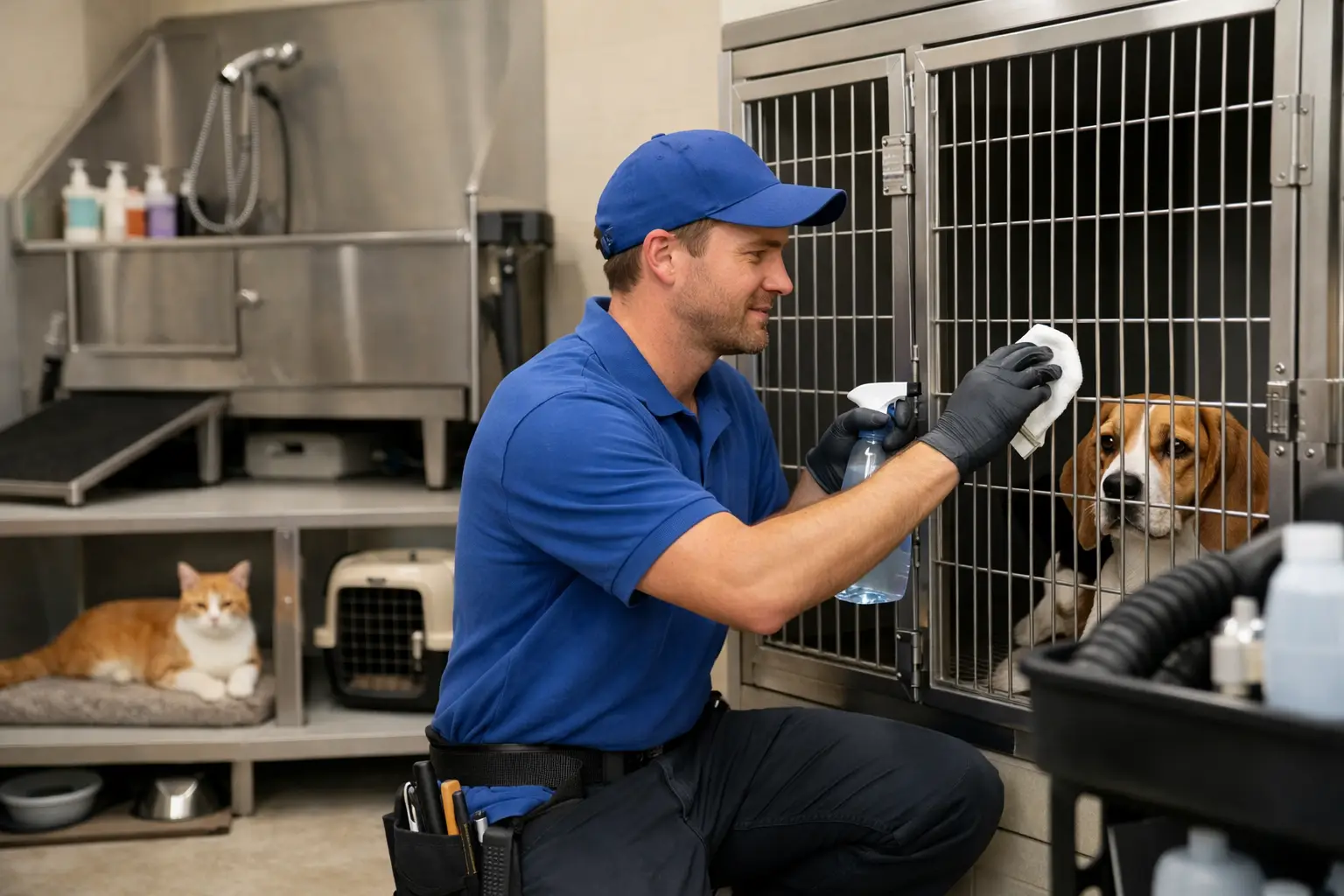
A good pet station maintenance service is not just bag refills. It is recurring upkeep that keeps the whole setup functioning the way it should. That usually means restocking waste bags, emptying the attached receptacle, replacing liners, checking for damage, and cleaning around the station so the area stays presentable.
In many properties, service also includes removing waste found near the station, not just what made it into the bin. That matters because the problem is rarely limited to one container. If the grass around the post is covered in missed waste, residents will not care that the dispenser was technically full.
Some properties also benefit from deodorizing, sanitizing, or power washing nearby hard surfaces. That depends on traffic, weather, and how heavily the dog area is used. A small community with one station may need simple recurring service. A busy apartment complex with multiple relief areas may need a more hands-on plan.
Why neglected stations create bigger property problems
Pet waste issues spread. One missed pickup turns into several, then residents start assuming the area is not maintained and stop making the extra effort to use it properly. Once that happens, the station stops being a convenience and starts becoming a visual reminder that the property is slipping.
The first problem is appearance. Overflowing bins and scattered waste make even a well-kept property look unmanaged. That affects how current residents feel about where they live and how prospects view the community during tours.
The second problem is odor. Pet waste bins can get unpleasant quickly, especially during warmer months. If maintenance is inconsistent, smells drift into walkways, parking areas, and shared outdoor spaces. That is not just annoying. It changes how people use the property.
The third problem is sanitation. Dog waste left around common areas creates an avoidable hygiene issue for both pets and people. Families want cleaner places for kids to walk and play. Dog owners want relief areas that do not feel neglected. Property teams want fewer complaints and fewer preventable messes.
Who benefits most from recurring pet station service
This kind of service is especially useful for apartment communities, condo associations, townhome developments, mobile home communities, dog parks, and mixed-use properties. Any site with shared outdoor dog traffic can benefit if the goal is to keep things clean without asking onsite staff to constantly manage it.
That last part matters. Maintenance teams already have enough on their plate. Asking them to monitor bag levels, empty waste bins, and clean pet areas every few days often sounds reasonable on paper, but it tends to fall behind when higher-priority repairs come up. A recurring service keeps the task from becoming one more thing that gets pushed to next week.
Residential clients can also use pet station support in specific situations. Shared private lanes, small community courtyards, and multi-home properties with designated dog areas often need the same consistency as larger properties, just on a smaller scale.
What reliable pet station maintenance should look like
Reliability is what separates a real service from a temporary fix. A station that gets checked only when someone complains is not on a maintenance plan. It is being patched together.
A dependable service schedule should match how the property is actually used. Some stations need weekly attention. Others need multiple visits per week, especially during peak seasons or in dense communities with a high number of dogs. There is no universal frequency that fits every site.
The right provider should also notice patterns. If one station runs out of bags twice as fast as the others, the schedule may need to change. If one bin develops odor issues after rain, that may call for additional cleaning. Good service is not just showing up. It is paying attention and adjusting before small issues become resident complaints.
Professional presentation matters too. Trained, uniformed technicians give property managers confidence that the job is being handled consistently and respectfully. When service staff are easy to identify and know what they are doing, it reflects well on the property.
Pet station maintenance service and resident satisfaction
Most residents will never send a thank-you email because a dog waste station was stocked and clean. They simply expect it to be handled. But they absolutely notice when it is not.
That is why pet station maintenance service is tied so closely to resident experience. It removes one of those low-level frustrations that quietly shapes how people feel about a property. A clean, well-maintained dog area tells residents management cares about the details. It also makes life easier for responsible pet owners who are already trying to do the right thing.
This is especially relevant in pet-friendly communities where dogs are part of daily life, not an occasional exception. If a property markets itself as welcoming to pets, the outdoor maintenance needs to support that promise. Otherwise, the burden falls on residents and staff, and nobody is happy with the result.
Choosing the right service plan
Not every property needs the same level of care, and that is where some owners and managers get stuck. They either overpay for service they do not need or under-service the station and end up dealing with recurring problems.
The best starting point is usage. How many dogs are using the area? How many stations are on the property? Is the station near a high-visibility entrance, playground, or sidewalk? A single station tucked behind one building does not need the same service plan as a heavily used pet relief zone near leasing paths.
Weather and seasonality matter too. Hot summer weeks can intensify odors and fill bins faster. Wet conditions can turn waste around stations into a bigger mess. Some properties benefit from year-round consistency, while others may need seasonal adjustments.
It also helps to think beyond the station itself. If the surrounding grounds are already dealing with waste problems, bag refills alone will not solve them. In those cases, a broader cleanup plan with recurring pet waste removal may be the better fit.
Why local service tends to work better
Pet area maintenance is one of those services where consistency matters more than flashy promises. A local, service-focused team is often better positioned to deliver that consistency because they understand the property mix, weather patterns, and expectations in the area.
In Greater Philadelphia, for example, shared spaces range from dense city properties to suburban apartment communities and neighborhood parks. The needs are different. Some sites need discreet, frequent visits. Others need broader outdoor support that includes waste removal, sanitizing, or bin maintenance. A one-size-fits-all approach usually misses something.
That is why straightforward scheduling, easy billing, and responsive communication matter just as much as the cleanup itself. Property managers and busy dog owners do not want another task to chase down. They want the station handled, the grounds cleaner, and the problem off their list.
A cleaner station supports a cleaner property
A pet station is a small feature, but it has an outsized effect on how outdoor spaces feel. When it is maintained properly, it supports better habits, reduces mess, and helps common areas stay more pleasant for everyone. When it is ignored, it quickly becomes a weak point.
If your dog area is generating complaints, looking neglected, or pulling staff away from other work, the issue may not be the station itself. It may be the lack of a dependable maintenance routine behind it. Clean spaces are easier to keep clean when someone is consistently doing the hard part.
Ready to reclaim your yard and peace of mind?
Contact Us for a free quote or visit our FAQ for more information.
Poop Scoop Protocol
Clean Lawns. Happy Dogs.
info@PoopScoopProtocol.com
(267) 667-6673