A clean yard is not just nicer to look at. It is where kids run barefoot, dogs sniff every corner, guests gather, and families try to relax. This guide to outdoor pet sanitation focuses on the practical habits that keep those spaces safer, fresher, and ready to use without turning your weekend into another chore.
For a one-dog household, a simple routine may be enough. For multi-dog homes, apartment communities, dog parks, and shared properties, sanitation needs more structure. The goal is the same in every setting: remove waste promptly, reduce odor and contamination, and keep the outdoor space comfortable for people and pets.
Why Outdoor Pet Sanitation Matters
Dog waste does not simply disappear into the grass. Rain can carry residue toward drains and low spots in the yard. Flies are drawn to it, odors build up in warm weather, and contaminated areas can be tracked indoors on shoes and paws. Puppies, senior dogs, and children who spend more time close to the ground deserve extra consideration.
The issue is not about making a lawn look perfect. It is about reducing the amount of time waste sits in a shared outdoor area. Frequent pickup limits the chance that a fresh pile gets stepped in, spread around the property, or missed until it becomes a much bigger cleanup job.
This is especially true in the Greater Philadelphia area, where wet springs, humid summers, and leaf-covered fall yards can make it easy for waste to hide or linger. A reliable routine works better than waiting until the yard looks bad.
Start With Consistent Waste Removal
The foundation of outdoor pet sanitation is simple: scoop waste on a schedule that matches the number of dogs and how the space is used. For most homes, daily pickup is ideal. At a minimum, yards should be checked several times a week. If children use the lawn, multiple dogs share it, or the yard is small, more frequent service makes a noticeable difference.
Do not rely on a quick glance from the patio. Walk the full property in a consistent pattern. Check along fences, behind sheds, near shrubs, under decks, and around play equipment. Dogs often return to familiar spots, but they also leave surprises wherever they have privacy or shade.
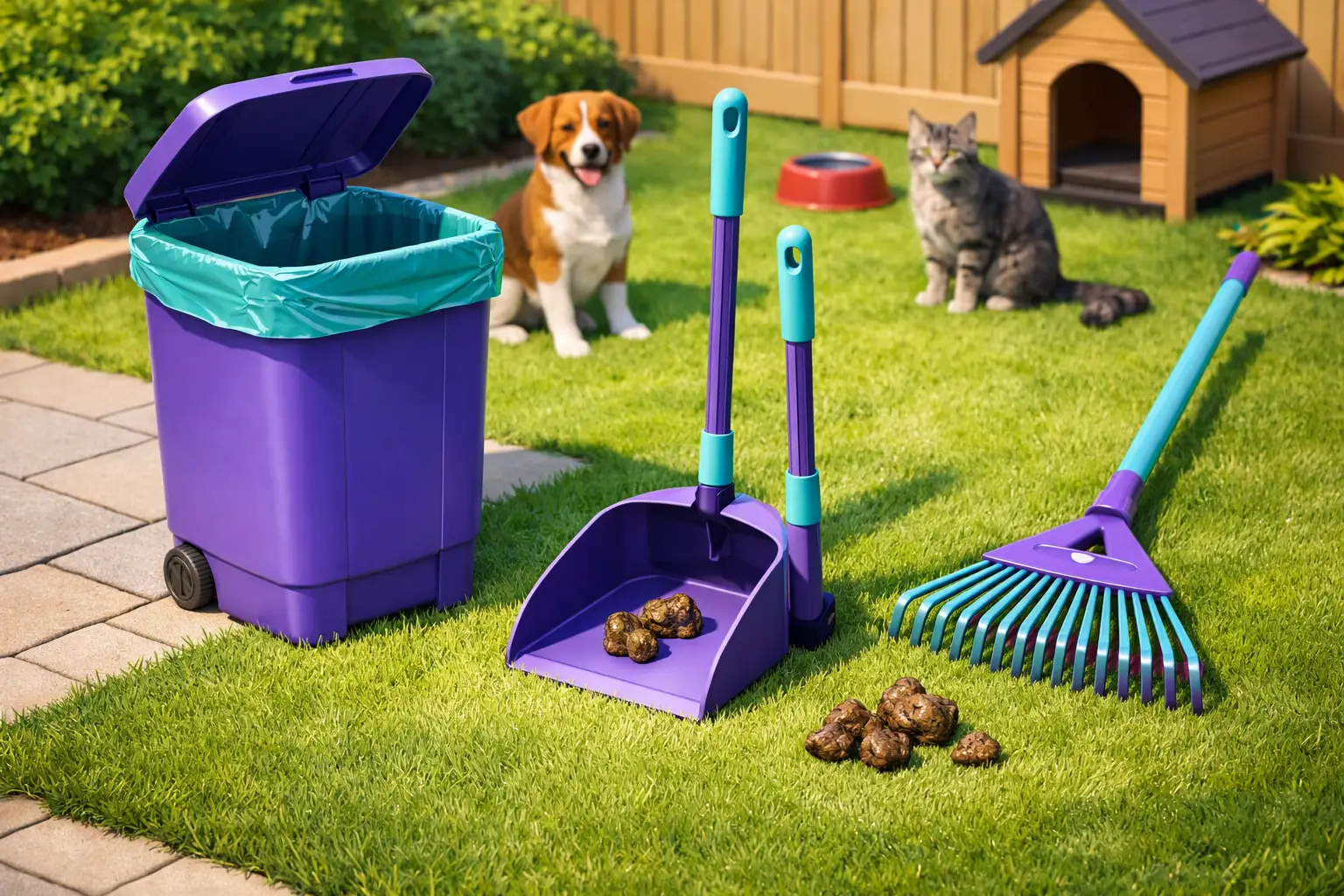
Bag waste securely and place it in a covered outdoor trash bin. An open can invites flies and allows odor to spread. If your regular trash pickup is not frequent enough, a dedicated pet waste bin with a tight lid can keep the problem contained between collection days.
Set Up a Simple Yard Routine
The best routine is the one your household can actually maintain. Keep bags, a scoop, and disposable gloves near the door or gate so there is no excuse to put the task off. After a walk around the yard, wash hands thoroughly, even if gloves were used.
For properties with several dogs, assigning one person to a rotating cleanup schedule can work. But busy families know how quickly that plan slips between work, school, weather, and weekend obligations. Recurring pet waste removal is often the easier option because the work gets done whether life is hectic or not.
Create a Clean Potty Area When You Can
A designated dog relief area can reduce how much of the yard needs regular attention. It will not work for every dog, and some pets need patient training before they use one consistently. Still, it can be especially helpful for small yards, rental properties, and homes with children’s play areas.
Choose a spot away from outdoor dining areas, vegetable gardens, sandboxes, and doorways. Gravel, decomposed granite, artificial turf designed for pet drainage, or a small mulched area may be easier to clean than thick grass. The right surface depends on your dog’s habits, the amount of shade, and how well the space drains after rain.
Avoid using loose materials that dogs may eat or kick into surrounding beds. Whatever surface you choose, remove solid waste promptly and rinse as needed. A designated area reduces the spread of mess, but it is not a substitute for cleanup.
Handle Odor Without Creating a New Problem
Odor is usually a sign that waste, urine residue, moisture, or all three are building up. Start with removal and drainage before reaching for a deodorizer. Spraying a fragrance over an unclean area only masks the issue for a short time.
On hard surfaces such as patios, pavers, concrete runs, and pet station pads, remove solid waste first. Rinse the surface with water, then use a pet-safe outdoor cleaner according to its label directions. Let the area dry before allowing pets or children back onto it.
Grass needs a lighter touch. Occasional rinsing can help dilute urine in concentrated spots, particularly during dry stretches. However, overwatering can create muddy areas, encourage runoff, and damage turf. If urine burn is a persistent problem, adjust where your dog relieves itself, improve coverage in the lawn, or consider a designated potty zone.
Skip harsh household chemicals unless they are specifically labeled for the surface and safe for use around animals. Products with strong fumes or residues can irritate paws, noses, and skin. Never mix cleaners, and do not use a cleaning product where it could run into a storm drain, pond, or garden bed.
Keep High-Traffic Surfaces on a Schedule
Some parts of a property need attention beyond routine scooping. Gates, pet station areas, waste bins, turf runs, patios, and the paths dogs use most often can hold odor and grime. These surfaces benefit from regular washing and, where appropriate, pet-safe sanitizing.
For homeowners, a monthly check is a practical starting point. Look for stained pavers, slime around bin lids, muddy pathways, and standing water. Commercial properties may need weekly or even more frequent attention, depending on the number of dogs and visitors.
A proper sanitation schedule should include four distinct tasks:
- Emptying and cleaning pet waste bins before odors become overwhelming
- Removing waste from all common areas, including fence lines and landscaped edges
- Washing hard surfaces that collect residue, mud, or tracked waste
- Checking pet stations for bags, signage, functioning lids, and overall cleanliness
For apartment communities and parks, these details shape how residents and visitors view the property. A full pet waste bin or neglected station sends the message that no one is paying attention. Consistent service supports cleaner common areas and fewer complaints.
Pay Attention to Water and Drainage
Water can either help clean a space or spread contamination. After heavy rain, inspect the yard for puddles, washed-out mulch, and low areas where waste may have moved. Pick up any debris before mowing, as mower blades can spread residue across a larger portion of the lawn.
Keep waste away from storm drains, drainage ditches, and waterways. If a yard has poor drainage, simple changes such as repairing downspouts, filling low spots, or adjusting a potty area can make routine cleanup easier. For larger commercial properties, drainage problems may require a property maintenance professional, but regular waste removal still prevents the issue from compounding.
Make Sanitation Easier for Everyone Using the Space
Good outdoor pet sanitation is part routine and part setup. A clean, well-stocked pet station makes it easier for residents and guests to do the right thing. Clear signs, accessible bags, covered bins, and dependable servicing matter more than complicated rules.
At home, keep children’s toys, outdoor cushions, and grilling areas separate from the dog’s preferred relief spots. Wipe paws after muddy walks or time in a high-use dog area, especially before pets climb onto furniture. These small habits help keep what is outside from traveling through the house.
If you are a landlord or property manager, set clear expectations in pet policies and support them with visible stations and regular cleanup. Enforcement alone rarely solves a sanitation problem. Convenient supplies and consistent maintenance make compliance much more likely.
Know When to Bring in Recurring Help
There is no prize for spending your Saturday walking the yard with a scoop. A professional service is a practical fit when you have limited mobility, a demanding schedule, several dogs, a large property, or a shared space that needs dependable attention. It also helps when the yard has gotten away from you and a one-time cleanup feels too overwhelming to start.
Poop Scoop Protocol provides recurring pet waste removal and outdoor cleanup support for homes and properties across Greater Philadelphia. Trained staff, a set service schedule, and optional deodorizing or sanitizing support can turn an ongoing mess into one less thing on your list.
A clean outdoor space is easier to maintain than to rescue. Start with the next pickup, keep the supplies close, and choose a schedule that gives your family and dogs more room to enjoy the yard.