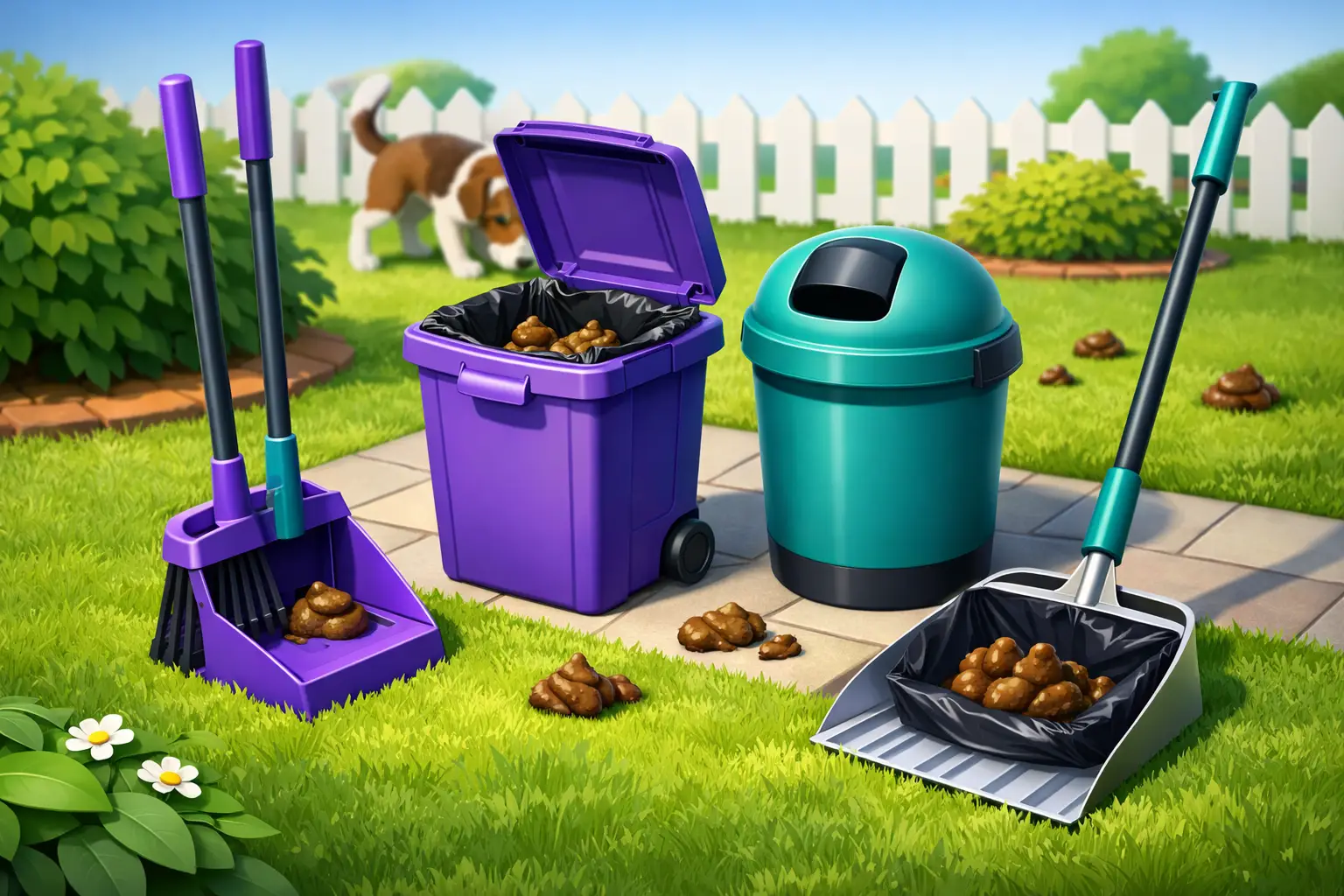
A backyard can go from a favorite place to play to a place everyone avoids surprisingly fast. One missed cleanup becomes several, rain presses waste into the grass, and suddenly letting the dog or kids outside feels less pleasant. The best dog poop disposal options are the ones that fit your household, follow local rules, and keep waste from piling up in the first place.
For some families, a simple bag-and-trash routine works well. For multi-dog homes, busy schedules, shared properties, or anyone who cannot safely handle the job, recurring removal is often the better answer. Here is how to choose without making your yard chores more complicated than they need to be.
Best Dog Poop Disposal Options for Your Home
Bag it and place it in the trash
For most dog owners, picking up waste with a bag and placing it in a sealed household trash container is the most dependable option. Use a sturdy bag, turn it inside out over the waste, tie it securely, and place it in the bin designated for regular trash. A covered outdoor trash can helps control odor and keeps curious animals out.
This method is straightforward, but consistency matters. A bag left on the edge of the yard or beside a walking trail is not disposal. It is litter with a very unpleasant expiration date. If your trash collection is weekly, make sure the outdoor bin has a tight lid, especially during hot Philadelphia-area summers.
Biodegradable or compostable bags can be a thoughtful choice, but read the label carefully. Many only break down under specific industrial conditions. They are still generally meant for trash disposal unless your local waste program says otherwise.
Use a dedicated pet waste bin
A separate pet waste bin can make daily pickup easier, particularly in a large yard or at an apartment community. These bins are designed to hold bagged waste until collection day, and many include liners, a lid, and odor-control features. For a household with one dog, a small bin near the back door may be enough. For a shared property, stations should be placed where people naturally walk their dogs.
The trade-off is maintenance. Bins need regular emptying, occasional cleaning, and replacement liners. If they are allowed to overflow, they create the exact issue they were meant to solve. Property managers should assign a clear service schedule rather than hoping residents will handle it on their own.
Flush only when your local system allows it
Some pet waste disposal products are designed to make flushing possible. This can be convenient in certain homes, but it is not a universal recommendation. Local plumbing guidance, septic system limitations, product instructions, and municipal wastewater rules all matter.
Never flush plastic bags, wipes, or other materials that are not made to break down in water. Homes with septic systems should be especially cautious, since adding pet waste may not be appropriate for the system. When there is any doubt, sealed bagging and regular trash collection is the safer route.
Consider a pet waste digester carefully
In-ground pet waste digesters are small systems that use water, enzymes, or bacteria to break down waste below the surface. They can appeal to homeowners who want an alternative to putting bagged waste in the trash. Still, they are not a fit for every yard.
A digester requires the right placement, ongoing attention, and soil conditions that support it. It should be kept away from vegetable gardens, wells, waterways, and areas that flood. It can also struggle during freezing weather or with heavy use from several dogs. Before installing one, check municipal guidance and manufacturer requirements. A poorly maintained digester is not a low-maintenance solution.
Hire recurring pet waste removal
Professional pet waste removal is the practical choice when cleanup keeps slipping down the to-do list. A trained technician visits on a set schedule, scoops the yard, removes the waste, and leaves the space ready to use. It is especially helpful for working households, seniors, people with mobility limitations, parents managing busy weekends, and homes with more than one dog.
The real value is not just avoiding a chore. Regular service prevents hidden buildup, reduces odor, and makes it easier to use the lawn whenever you want. For landlords, apartment communities, dog parks, and other shared spaces, a consistent service plan also helps set a cleaner standard for residents and visitors.
Poop Scoop Protocol provides recurring pet waste removal for homes and properties across Greater Philadelphia, with straightforward scheduling and trained, uniformed staff. For customers who want the yard handled without reminders, bags, or a weekend cleanup marathon, professional service keeps the routine simple.
What Not to Do With Dog Waste
Dog waste is not fertilizer. It can carry bacteria and parasites that create health concerns for people and animals, especially when it sits in areas where children play or dogs explore. Leaving it in the grass does not make it disappear. Rain can also move contaminants toward storm drains and waterways.
Do not add dog poop to a backyard compost pile used for gardens. Typical home composting temperatures may not destroy harmful organisms, and waste from dogs should never be used on vegetables, herbs, or other edible plants. Unless a specialized pet-waste composting program specifically accepts it, keep it out of regular compost.
It is also a bad idea to toss unbagged waste into storm drains, wooded areas, vacant lots, or a neighbor’s trash container. These shortcuts create cleanup problems for someone else and can violate local rules. The cleanest choice is the one that fully contains the waste and gets it into an approved disposal stream.
How Often Should You Clean Up the Yard?
Daily pickup is ideal for homes with dogs that use the yard often. It keeps the lawn cleaner, makes spotting new waste easy, and reduces the chance of stepping in something during a quick walk outside. If daily cleanup is not realistic, aim for at least once or twice each week for one dog, then increase frequency for every additional dog.
The right schedule depends on four things:
- The number and size of dogs using the space
- How often children, guests, or pets play in the yard
- Yard size and whether waste is easy to spot
- Weather, since heat and rain can make odor and mess worse
For a small yard with two active dogs, weekly removal may still leave too much buildup between visits. In contrast, a large yard with one dog may stay manageable with a less frequent schedule. There is no prize for doing it yourself if the yard is not staying clean.
Keep Disposal Easier From Day One
The best system is the one you can maintain on your busiest week. Keep bags near the door and by the gate, use a lidded bin, and make pickup part of the same routine as feeding or walking your dog. If you are responsible for a shared property, place stations where people will actually use them and service those stations before they become full.
For many families, the most useful upgrade is not a new gadget. It is dependable help. A regularly cleaned lawn gives dogs a better place to run, gives kids a safer place to play, and gives you one less messy task waiting at the end of the day. Let the disposal method work around your life, not the other way around.