A yard can look perfectly fine from the kitchen window and still be the last place you want your kids, guests, or dog to step barefoot. Between missed waste, muddy paws, worn grass, and odor buildup, a dog-friendly yard needs a little more attention than a standard lawn. These best dog friendly yard hygiene tips focus on the habits that make outdoor space cleaner, safer, and much easier to use.
1. Pick Up Waste Before It Becomes a Bigger Problem
Dog waste is not a fertilizer. Leaving it in the grass can burn patches of lawn, attract flies, create odors, and expose people and pets to bacteria and parasites. The longer it sits, especially through a humid Philadelphia-area summer or a rainy week, the more difficult it is to manage.
For one dog, a thorough cleanup at least once or twice a week may be enough if the yard is small and the dog uses one area consistently. Multi-dog homes, shared yards, apartment communities, and properties with children usually need more frequent service. Daily pickup is ideal when possible.
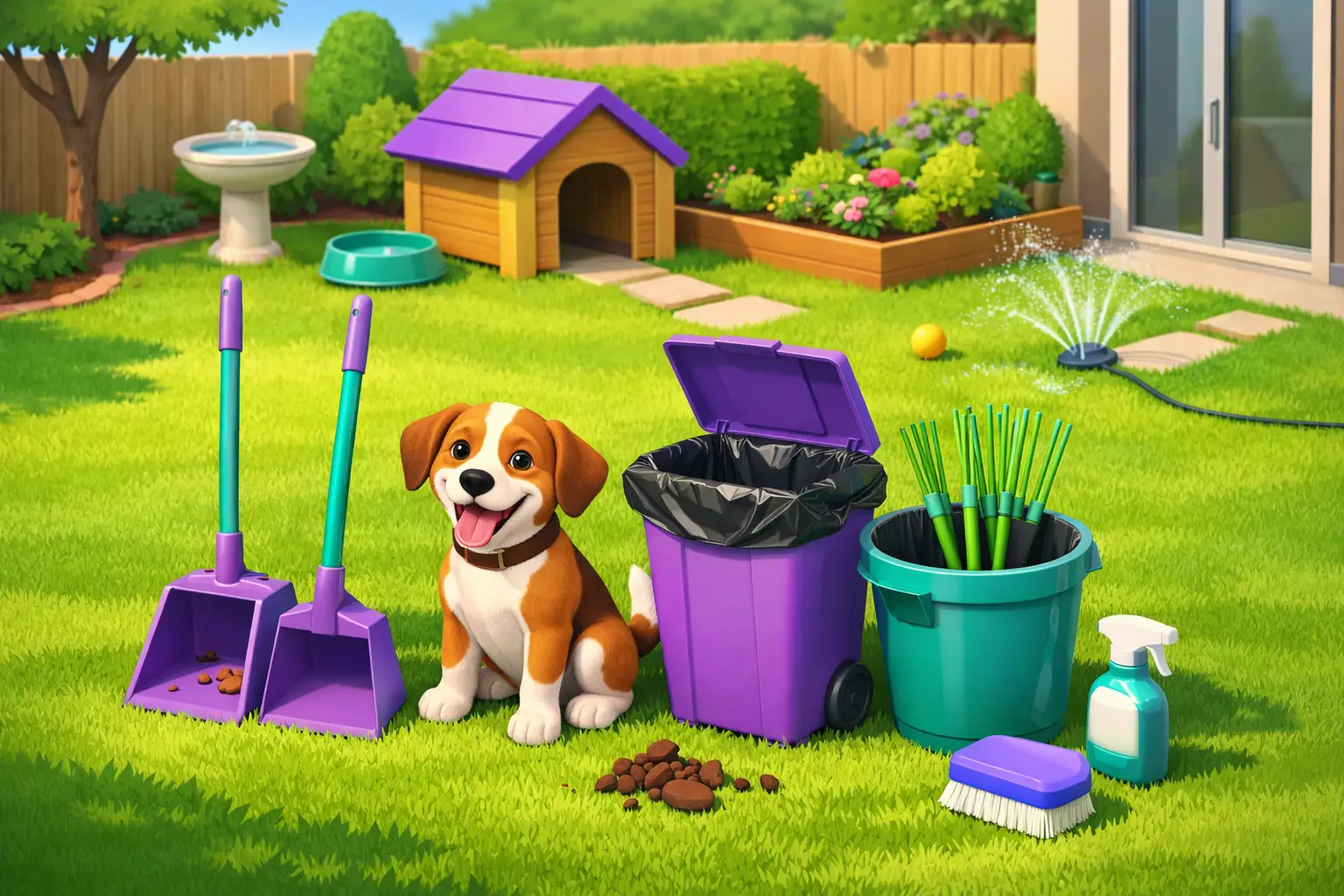
Use a dedicated scooper and bucket or a lined waste bin with a secure lid. Avoid leaving filled bags on a deck, beside a fence, or near an outdoor seating area. That is where unpleasant odors tend to linger.
2. Create a Designated Potty Area
A designated bathroom spot can make a major difference in how the rest of the yard looks and feels. It also makes cleanup faster because you know where most waste will be located.
Choose a section away from patios, grills, playsets, vegetable gardens, and high-traffic paths. For many yards, a side or back corner works well. The best surface depends on your dog and your property. Grass is familiar and comfortable, but it can develop dead spots. Pea gravel and certain pet-safe turf systems are easier to rinse and clean, though they may require more upfront work.
Training takes patience. Bring your dog to the same spot on leash, use a consistent cue, and reward them when they go there. A puppy may need more frequent reminders, while an older dog may take longer to adjust. The goal is not perfection on day one. It is reducing the amount of waste spread across the yard.
3. Rinse High-Use Areas Regularly
Urine buildup can leave yellow or brown marks on grass, especially in the spots your dog visits most. A quick rinse with a garden hose after your dog urinates can dilute the concentration before it damages turf.
This works best for small, predictable potty areas. It may not be realistic to follow an active dog around a large yard with a hose, and that is okay. Focus on the places where your dog repeatedly goes, such as near the back door or fence line.
Do not use harsh household cleaners or bleach on grass, soil, or outdoor pet areas. They can harm plants, irritate paws, and create runoff concerns. Plain water is often the right first step for routine dilution and cleanup.
4. Keep Water Bowls, Toys, and Feeding Areas Clean
A water bowl left outside can collect dirt, grass clippings, insects, and bacteria quickly. Empty it daily, rinse it, and refill it with fresh water. Give the bowl a more thorough wash with pet-safe soap several times a week, especially during warm weather.
Outdoor toys deserve the same attention. Rubber balls, chew toys, and plastic play equipment can pick up waste residue and mud, then get carried right back into your home. Wash hard toys regularly and remove fabric toys from the yard after playtime.
If your dog eats outdoors, keep the feeding area separate from the potty zone. Food scraps attract pests, and a dirty feeding space makes the entire patio less pleasant for everyone.
5. Address Odors at the Source
Sprays and scented products can temporarily cover an odor, but they do not solve the reason it is there. Consistent waste removal, rinsing, and cleaning of pet-use areas are what actually reduce smell.
Pay special attention to artificial turf, mulch beds, gravel runs, decks, and shaded corners. These surfaces can hold odors longer than open grass. Turf may need a pet-safe enzyme treatment and a thorough rinse. Gravel may need occasional replacement or deeper cleaning if urine odor becomes persistent. Wood decks should be cleaned with a product that is appropriate for the surface and safe around pets once dry.
If an area smells strong even after a cleanup, do not keep adding fragrance. Find the buildup. It could be old waste under shrubs, a dirty waste bin, an unwashed turf section, or runoff collecting near a fence.
6. Make Mud Control Part of Yard Hygiene
Mud is more than a floor-cleaning problem. It can carry waste residue into the house on paws, shoes, toys, and stroller wheels. It also creates slick surfaces that are harder for older dogs and people with mobility concerns to navigate.
Look for the cause of the mud. Heavy traffic near a gate, poor drainage, bare grass under a dog run, and downspout runoff are common culprits. A simple path of pavers, gravel, or other pet-friendly ground cover can protect the busiest route. Improving drainage may take more effort, but it often prevents recurring messes after every storm.
Keep a towel and paw-cleaning station near the door. A few seconds of wiping paws is far easier than cleaning muddy tracks through the house.
7. Mow, Trim, and Check the Yard Often
Shorter, well-maintained grass makes waste easier to spot and remove. It also reduces hiding places for ticks and other pests. You do not need to cut the lawn extremely low, which can stress the grass, but regular mowing helps keep the space usable.
Trim back overgrown shrubs, weeds, and low branches around your dog’s favorite routes. Check fence lines for holes, sharp debris, mushrooms, standing water, and anything your dog may chew or eat. After storms, do a quick walk-through before letting your dog run free.
Be thoughtful about lawn treatments. Some fertilizers, herbicides, and pest products require pets to stay off the grass for a period of time. Always follow the product directions, and give the area time to dry completely before your dog returns.
8. Clean the Waste Bin, Not Just the Yard
A full waste bin can undo the work of a clean lawn. If the container is cracked, uncovered, or rarely washed, it becomes a source of odors and flies.
Choose a bin with a tight-fitting lid and place it in a shaded, accessible spot away from doors and outdoor dining areas. Empty it on schedule. Rinse the inside as needed and use a pet-safe deodorizing or sanitizing product that is suitable for the bin material.
For apartment complexes, dog parks, and shared outdoor spaces, bin maintenance matters even more. An overflowing station tells residents and visitors that no one is paying attention. A clean, stocked station encourages people to pick up after their dogs.
9. Keep Dogs Current on Preventive Care
Yard hygiene and dog health go together. Routine veterinary care, parasite prevention, and prompt attention to diarrhea or unusual stool help protect the whole household.
If your dog has an upset stomach, clean waste promptly and avoid letting children or other pets near that area. If you notice worms, blood, repeated diarrhea, or a major change in bathroom habits, contact your veterinarian. A cleaner yard is helpful, but it is not a substitute for medical care.
10. Put Cleanup on a Schedule You Can Actually Maintain
The best system is the one that does not fall apart during a busy week. Add a recurring reminder, keep supplies near the door, and assign the task clearly if multiple people share the home. Waiting until the weekend can turn a five-minute job into an unpleasant hour.
Some households simply need help keeping up. That is especially true for multi-dog families, older adults, busy parents, landlords, and properties with shared green space. Poop Scoop Protocol provides recurring pet waste removal for Greater Philadelphia properties, so the cleanup is handled consistently and the yard stays ready for real life.
A clean yard gives your dog room to play, your family room to relax, and you one less chore waiting at the end of the day. Set up a routine that fits your home, then spend your outdoor time enjoying the space instead of cleaning it.