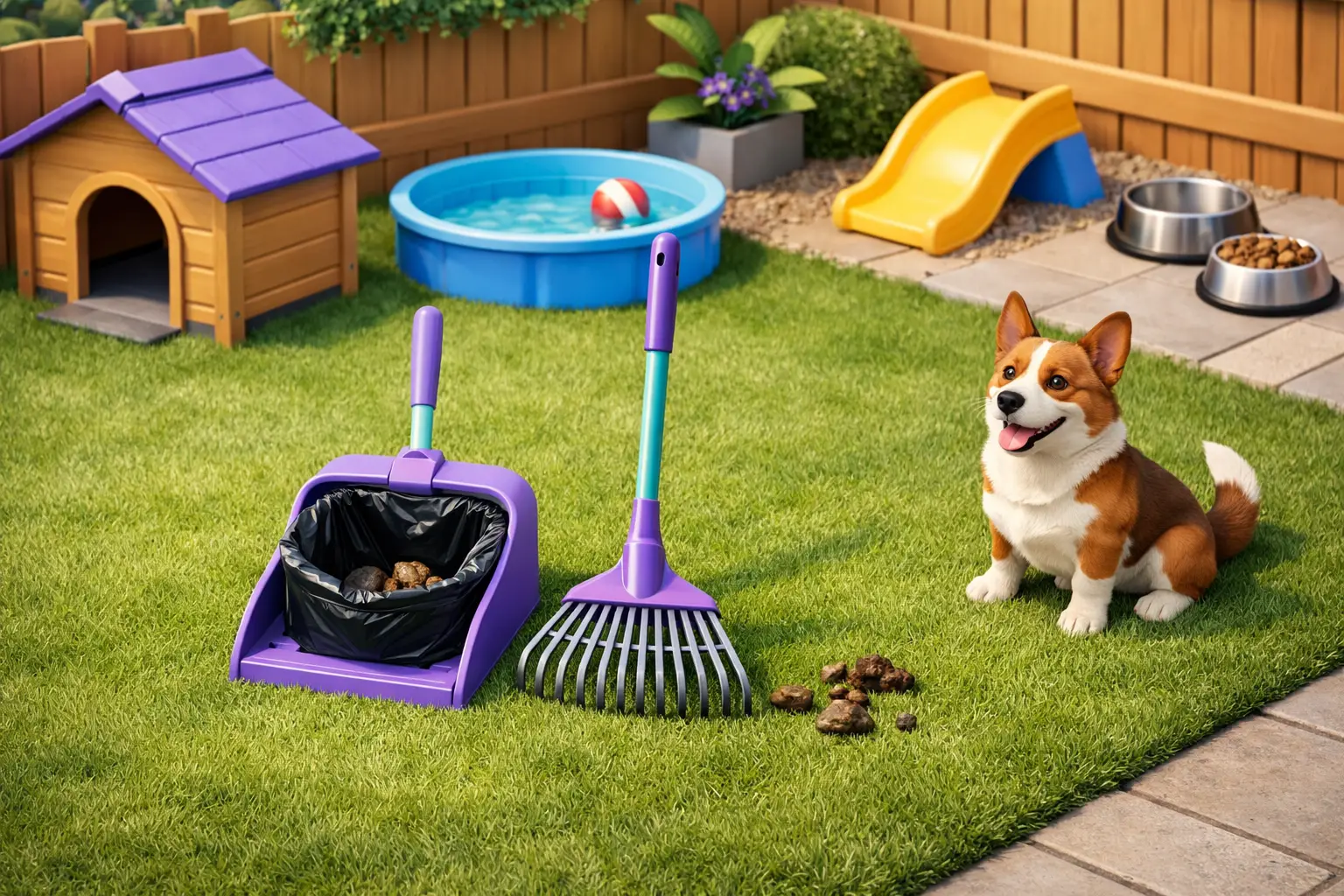
A dog can turn a backyard, apartment dog run, or shared green space into a favorite place to play. But when waste, urine odor, mud, and high paw traffic build up, that same area quickly becomes a place people avoid. Outdoor dog area sanitation is what keeps the space usable between play sessions, cookouts, tenant visits, and everyday life.
This is not about making a yard smell like a chemical cleaner. It is about removing waste consistently, treating the surfaces that hold odor and bacteria, and building a routine that fits the number of dogs using the space. For a single dog with a large yard, the plan may be simple. For a multi-dog household or a busy apartment pet area, it takes more frequent attention.
Sanitation Starts With Waste Removal
The first rule is also the least glamorous: remove pet waste before trying to deodorize or sanitize anything. Spraying a treatment over old waste does not solve the problem. It can leave odor behind, spread contamination when rinsed, and make a lawn or hardscape harder to clean later.
For most households, scooping at least once or twice a week is a reasonable baseline. Daily pickup is better for families with young children, several dogs, small yards, or dogs that use one concentrated potty spot. In shared areas, daily service is often the practical standard because one missed day can mean dozens of new piles.
Waste removal also helps you spot changes in your dog’s health. Loose stool, unusual color, worms, or repeated digestive issues are easier to notice when the yard is not already full of old waste. That is a simple benefit, but a useful one.
What Outdoor Dog Area Sanitation Really Includes
Cleaning and sanitation are related, but they are not the same job. Cleaning removes visible mess. Sanitation reduces the germs and odor-causing material left behind on surfaces after the mess is gone.
A useful outdoor dog area sanitation routine usually has three parts: consistent waste removal, surface-specific cleaning, and odor management. The right approach depends on whether your dog area is mostly grass, artificial turf, concrete, pavers, mulch, or gravel.
Grass lawns need protection, not over-treatment
Grass absorbs moisture, which makes it more forgiving than concrete but also more likely to hold urine odor in small, heavily used sections. If your dog always uses the same corner, rinse that area with water occasionally, especially during hot, dry weeks. Rotate potty zones when possible so one patch does not take all the wear.
Avoid reaching for harsh disinfectants on grass. Products that are too strong can damage turf, irritate paws, and create runoff concerns. A pet-safe enzymatic treatment can be helpful for recurring odor, but it works best after waste has been removed and when used according to the label.
Brown spots are usually a lawn-care issue tied to concentrated urine and turf stress, not proof that a lawn is unsanitary. Watering can dilute urine, but it will not replace regular pickup and cleaning.
Artificial turf needs regular rinsing and deep cleaning
Artificial turf looks low-maintenance, but it does not make waste or urine disappear. Solid waste still needs to be removed promptly. Urine can drain through the turf, yet odor may remain in the infill, backing, or drainage layer when the area gets heavy use.
A regular rinse helps move residue through the system. For dog runs and turf yards used by multiple dogs, periodic deodorization and deeper sanitizing are often worth it. The trade-off is simple: the more dogs and less rainfall the area gets, the more hands-on maintenance it needs.
Do not use bleach or random household chemicals on turf. They can damage materials, leave irritating residue, and create a strong smell without addressing the source of urine odor.
Concrete, patios, and pavers require a different approach
Hard surfaces are easier to see and sweep, but they can hold odor in pores, joints, and low spots where water collects. Start by removing waste, then rinse away residue. A pet-safe cleaner or enzyme product can help treat persistent odor, particularly around fence lines, kennel areas, and the path from the back door to the yard.
Power washing can be useful for patios, walkways, pet stations, and hardscape dog areas. It should be done with care. High pressure can push contaminated water into landscaping, splash nearby surfaces, or disturb paver sand if the technique is too aggressive. For larger properties and shared dog spaces, professional service can make this process more controlled and less time-consuming.
Focus on the Places Dogs Use Most
A full-yard treatment is not always necessary. The highest-value work is usually done in the areas dogs visit repeatedly: the favorite potty corner, the gate entrance, the shaded area under a tree, the turf run, and the spot near outdoor water bowls.
Look for warning signs that a dog area needs attention. A lingering smell after rain, flies around waste bins, slippery patio areas, muddy traffic paths, or residents avoiding a shared run all point to a sanitation routine that needs improvement.
Water bowls deserve attention too. Outdoor bowls collect dirt, leaves, saliva, and standing water. Empty, rinse, and refill them daily when possible. Wash them regularly with a pet-safe dish cleaner, then rinse thoroughly. Clean water supports a cleaner dog area.
Build a Routine You Can Actually Keep
The best sanitation plan is not the most complicated one. It is the one that happens consistently. Start with the number of dogs, the size of the area, and how the space is used.
For a one-dog household with a decent-sized lawn, weekly waste removal and occasional rinsing of the potty zone may be enough. For a small yard with two or more dogs, twice-weekly removal, odor treatment as needed, and a closer eye on worn grass may be more realistic. A shared apartment dog run may need daily waste removal, regular bin service, replenished pet station supplies, and scheduled deep cleaning.
Season matters in Greater Philadelphia, too. Summer heat makes odor stronger and brings more flies. Spring rain can wash residue into low areas and make muddy spots worse. Fall leaves hide waste. Winter snow can cover problems until a thaw reveals weeks of missed cleanup. A reliable recurring schedule prevents seasonal surprises from becoming a major cleanup job.
When Professional Service Makes Sense
Many dog owners can handle routine cleanup themselves. The challenge is finding the time every week, especially when work, kids, weather, or mobility issues get in the way. That is where a recurring pet waste service is less about luxury and more about keeping a basic household task from piling up.
Professional help is also valuable for property managers, landlords, parks, and apartment communities. Shared spaces need dependable service because no single resident owns the job. Consistent waste removal, bin maintenance, deodorization, pet station service, and periodic washing help protect the experience for everyone using the property.
Poop Scoop Protocol provides recurring cleanup and outdoor dog area support for homes and properties across Greater Philadelphia. The goal is straightforward: fewer missed pickups, cleaner outdoor spaces, and one less weekly chore on your list.
Choose Pet-Safe Products and Smart Habits
“Stronger” is not always better when dogs, children, and lawns are involved. Use products specifically labeled for pet areas, follow dilution instructions, and allow treated surfaces to dry when the label recommends it. Never mix cleaners, especially products containing bleach, ammonia, or acids.
Good sanitation also means reducing the conditions that create mess in the first place. Keep waste bins covered, empty them regularly, repair drainage issues, and consider adding durable ground cover to heavily traveled paths. In commercial settings, place pet stations where people naturally enter and exit, not where they are easy to ignore.
A clean dog area should feel easy to use. Your dog should have room to play, your family should be able to step outside without scanning the ground, and visitors should not be greeted by odor. Start with a consistent pickup schedule, treat the surfaces that need extra care, and get help before a small chore becomes a weekend-long cleanup.