
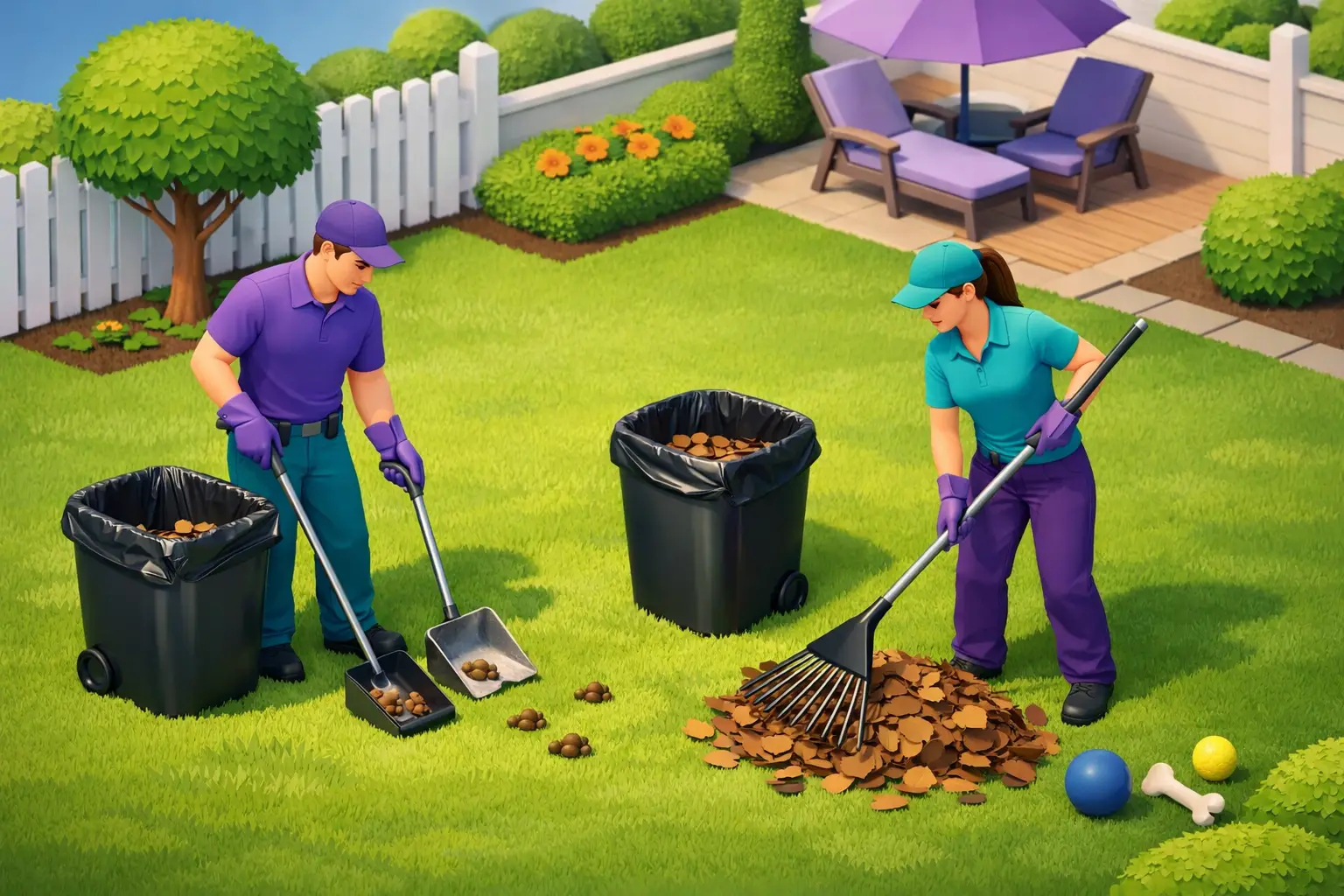
That Saturday promise to “get the yard this weekend” tends to fall apart fast. A busy week turns into two, the grass gets a little longer, the smell gets a little worse, and suddenly nobody wants to step outside. Recurring yard cleanup plans fix that by turning an easy-to-ignore chore into a handled routine.
For dog owners, that means a yard kids can play in without surprises and a space dogs can use without tracking a mess back inside. For landlords, HOAs, and property managers, it means fewer complaints and a property that feels cared for. The appeal is simple – when cleanup happens on a schedule, the problem stays small.
What recurring yard cleanup plans actually solve
Most people do not put off yard cleanup because they do not care. They put it off because it is unpleasant, easy to postpone, and never fully finished. If you have one dog, waste builds up steadily. If you have multiple dogs, it builds up faster than most people expect. Add rain, kids, guests, or a small yard, and the issue becomes hard to ignore.
Recurring yard cleanup plans solve the consistency problem first. Instead of waiting until the yard feels unusable, service happens before things get out of hand. That matters for appearance, but it matters even more for hygiene. Pet waste can attract bugs, create odor, and make outdoor areas less safe for families and animals.
There is also the mental side of it. One less chore on the weekly list may sound small, but when it is a chore you really do not want to do, the relief is real. That is a big reason recurring service works so well for working adults, parents, older homeowners, and anyone with limited mobility.
Why one-time cleanup is not always enough
A one-time visit can help if a yard has gotten out of control or if someone is preparing for a party, move, inspection, or seasonal reset. But one-time cleanup usually treats the symptom, not the pattern.
Dogs do not stop using the yard after a cleanup. That is the basic issue. If the yard is part of your dog’s daily routine, waste starts accumulating again right away. In that situation, recurring service is usually more practical than waiting until the mess becomes noticeable again.
That does not mean every property needs the same schedule. Some households need weekly service. Others can manage with twice-monthly visits, depending on the number of dogs, the yard size, and how often the space gets used. The point is not to overbuy. The point is to choose a frequency that keeps the yard consistently usable.
The real value of recurring yard cleanup plans
The biggest benefit is not just cleanliness. It is predictability. When service is recurring, you know what to expect and when to expect it. There is no last-minute scramble before guests arrive and no guessing about how bad the yard has gotten.
That predictability has different value for different customers. Families get safer play areas. Dog owners get a cleaner routine for their pets. Elderly or disabled homeowners avoid a physically difficult task. Property managers get a simple way to maintain standards across shared outdoor spaces.
For commercial or shared properties, recurring service can protect more than appearances. It helps support tenant satisfaction, keeps common areas more welcoming, and reduces the chance that pet-related mess becomes a repeated complaint. In apartment communities and parks, consistency matters more than almost anything else.
How to choose the right plan
The best recurring yard cleanup plans are built around actual use, not guesswork. Start with the number of dogs and the size of the space. One dog in a large yard creates a different cleanup pattern than three dogs in a compact fenced area.
Then think about how the yard functions. Is it mostly just a potty area, or is it where kids play, people entertain, or dogs spend most of the day? The more the yard is used as living space, the more important frequent cleanup becomes.
Schedule matters too. Weekly service is often the sweet spot for busy homes because it keeps buildup low and odors under control. Twice-monthly service can be enough for lighter use, but it depends on the property. If you are already noticing smell, visible waste, or avoiding parts of the yard, that is usually a sign the current routine is not frequent enough.
A good provider should make plan selection feel straightforward. Clear pricing, simple billing, and easy service management matter because convenience is the whole point. If recurring service creates more hassle than it removes, it is not the right fit.
What reliable service should look like
Not all cleanup service feels the same from the customer side. Reliability shows up in the basics. Staff should arrive when expected, do the work thoroughly, and leave the property in better shape than they found it.
Professionalism matters here more than people think. Customers are trusting someone to enter their yard regularly, often when they are not home. That means trained, vetted technicians and clear communication are a big part of the value. A family-owned local business with a real service process often feels different from a company that treats cleanup like an afterthought.
It also helps when recurring service can be paired with related outdoor care. Deodorizing, sanitizing, pet waste bin cleaning, or even occasional power washing can make sense depending on the property. Not every customer needs add-ons, and that is fine. But when a company offers them thoughtfully, it can save time and reduce the need to coordinate multiple vendors.
Residential and commercial needs are not the same
A homeowner usually wants relief, convenience, and a yard that feels pleasant again. A property manager usually wants consistency, reduced complaints, and a cleaner overall experience for residents or visitors. Both need recurring service, but the reason they value it can be different.
For homes, recurring yard cleanup plans often work best when they are simple and affordable enough to keep long term. This is not a luxury for many customers. It is routine maintenance that protects a space the family uses every day.
For commercial properties, recurring cleanup becomes part of site standards. Shared lawns, dog relief areas, pet stations, and common spaces need attention on a dependable schedule. If they do not get it, the problem becomes public fast. Residents notice. Visitors notice. Maintenance teams get pulled into tasks that should already be covered.
That is one reason recurring service is such a smart fit in the Greater Philadelphia area, where many properties have compact outdoor spaces and high day-to-day use. On smaller lots or in busier communities, even a short delay in cleanup can have a bigger impact.
Is recurring service worth the cost?
For some people, this is the whole question. And the honest answer is that it depends on what you are comparing it to.
If you enjoy handling yard cleanup yourself, have the time, and stay consistent, recurring service may not feel necessary. But that is not how most people experience it. Usually the real comparison is not between paid service and a perfect DIY routine. It is between paid service and a task that keeps getting delayed.
When you factor in time, odor control, yard usability, and the simple fact that someone else handles the dirty work, recurring service often feels easier to justify. That is especially true for multi-dog households, busy families, and managed properties where missed cleanup has a visible cost.
The best plans also make budgeting simple. A recurring monthly charge is easier to manage than irregular one-time help every time the yard becomes a problem again. That steady structure is part of why subscription-based service works.
When recurring yard cleanup plans make the most sense
They make sense when pet waste is no longer a small task you reliably handle. They make sense when the yard is being used less because it does not feel clean. They make sense when a physical limitation, busy schedule, or shared-property setup turns cleanup into a recurring headache.
At Poop Scoop Protocol, that is the problem we are built to solve – practical, reliable yard cleanup that keeps outdoor spaces cleaner without adding more work to your week. The goal is not to make this complicated. It is to make your yard easier to enjoy.
A clean yard changes how a property feels. It gets used more, smells better, and stops sitting on your to-do list. If that sounds like a small win, it usually is not.