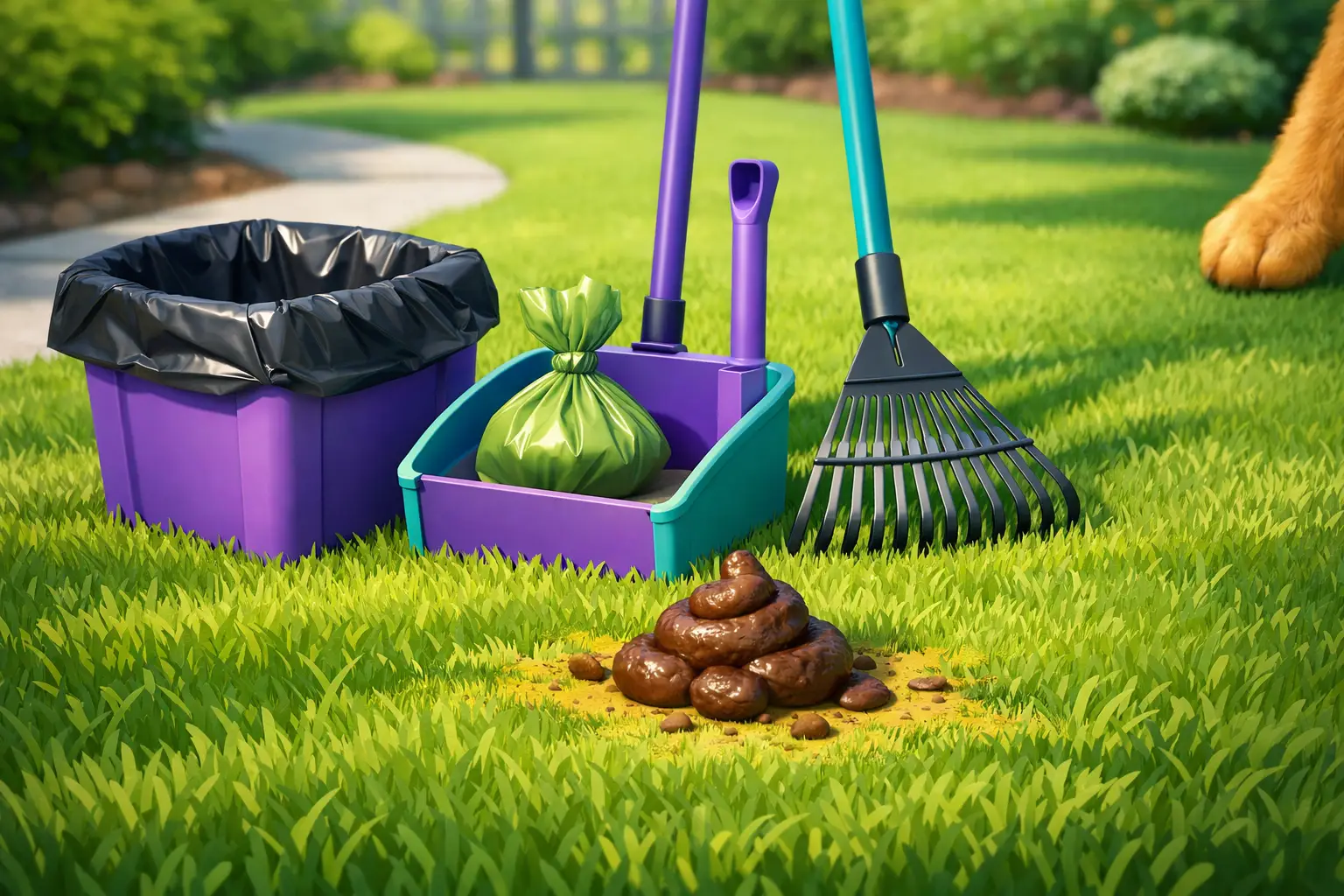
That yellow or brown patch in the yard usually is not a mystery. If you have dogs, the question is dog poop bad for grass comes up fast – especially when the lawn starts looking thin, burned out, or harder to enjoy. The short answer is yes. Dog poop can damage grass, create odor, attract pests, and make your yard less safe for kids and pets.
A lot of people assume dog waste breaks down like fertilizer from a farm or compost pile. In a home yard, it does not work that way. Pet waste is concentrated, messy, and full of bacteria your lawn does not need. Leaving it behind is one of the easiest ways to turn a clean yard into a problem spot.
Why is dog poop bad for grass?
Dog poop is bad for grass because it does not feed your lawn in a balanced way. It sits on top of the turf, blocks sunlight, traps moisture underneath, and introduces harmful bacteria and parasites into the soil. As it breaks down, it can smother healthy blades and leave dead or discolored patches behind.
It is also much richer in nitrogen than many people realize. A small amount of nitrogen can help plants grow. Too much in one spot can have the opposite effect. Instead of greening up the lawn, concentrated waste can stress the grass and contribute to burn marks or weak growth.
The bigger issue is consistency. One pile in one corner may not seem like a big deal. But if your dog uses the same general area every day, the lawn starts taking repeated hits. Over time, the damage becomes easier to see and harder to reverse.
Dog poop does more than leave a mess
The lawn damage is only part of the problem. Pet waste changes how the whole yard feels and functions.
When piles are left in place, the grass underneath gets matted down and deprived of airflow. Moisture gets trapped, especially after rain or heavy dew, and that creates the kind of damp environment where unpleasant smells linger. In warmer weather, it gets worse fast.
Then there is the hygiene side. Dog poop can carry bacteria and parasites that no one wants tracked into the house. If you have children playing outside, guests walking through the yard, or dogs that love rolling in the grass, leftover waste is more than just annoying. It becomes a real cleanliness issue.
For property managers and shared outdoor spaces, that matters even more. One neglected section of lawn can affect how the whole property looks and how comfortable people feel using it.
Does dog poop kill grass or just stain it?
It can do both.
Sometimes dog poop leaves a temporary discoloration where the grass was covered and pressed down. In other cases, especially when waste sits too long or piles build up in the same area, the grass can die off completely. The difference usually comes down to how long it stayed there, the weather, and the overall condition of the lawn.
A healthy, thick lawn may recover from occasional damage. A stressed lawn dealing with heat, poor drainage, shade, or heavy dog traffic will struggle more. That is why some yards bounce back after cleanup while others keep developing bare spots.
If your lawn already has thin areas, pet waste tends to make them worse. Once the grass weakens, mud and worn paths can follow.
Why dog poop is not the same as cow manure
This is where a lot of homeowners get mixed up. Animal waste is not all the same.
Cow manure is often composted and processed before it is used in landscaping or agriculture. That treatment changes how it behaves and reduces harmful pathogens. Fresh dog poop is different. Dogs eat high-protein diets, and their waste is more acidic and more likely to contain organisms that should not be spread around a yard.
So while manure from some animals can become useful soil material after proper composting and handling, dog poop should not be thought of as free lawn food. In most residential settings, it is simply waste that needs to be removed.
What happens if you leave dog poop on grass too long?
The longer it sits, the worse the effects tend to be.
First, the pile starts breaking down into the lawn instead of disappearing neatly. That means more contact with the grass and soil. Second, odor builds up. Third, foot traffic spreads the mess around, especially after rain. And if flies or other pests are active, the area gets even less pleasant.
During hot, humid stretches, the smell gets stronger and the lawn stress can show up faster. During wet periods, waste can soften into the grass and become harder to remove cleanly. In either case, waiting does not help the yard.
For households with more than one dog, the timeline gets short. What seems manageable for a day or two can become a much bigger cleanup by the end of the week.
Is dog poop bad for grass in every season?
Yes, but the impact looks different depending on the season.
In spring, leftover waste from winter snow or rain can leave behind matted, yellow areas just when the lawn should be waking up. In summer, heat and sun make odor stronger and lawn damage more obvious. In fall, piles can get hidden under leaves and sit longer than you think. In winter, frozen waste may seem less urgent, but it does not stop being a problem. Once things thaw, everything is still there waiting for you.
That is why regular pickup matters year-round. Seasonal changes affect how quickly you notice the issue, not whether the issue exists.
Can grass recover after dog poop damage?
Often, yes – but recovery depends on how far the damage went.
If the area is only flattened or lightly discolored, removing the waste promptly and letting the lawn breathe may be enough. If the grass is dead or the soil has been repeatedly affected, you may need reseeding, watering, and time for new growth to take hold.
It also helps to reduce repeat use in the same spot. That is easier said than done with dogs, especially if they have a favorite corner of the yard. But even small changes in routine can help spread out wear.
If you are seeing constant patches despite cleanup, the lawn may be dealing with a mix of waste, urine stress, traffic, and soil compaction all at once. In those cases, the solution is not one magic fix. It is consistent maintenance.
The simplest way to protect your yard
The best thing you can do is remove dog poop quickly and consistently. That keeps waste from sitting long enough to smother grass, soak into the soil surface, or create a lingering odor problem.
For some dog owners, that means a daily routine. For others, especially busy families, multi-dog households, or shared properties, it means getting help so the yard stays usable without becoming one more thing on the to-do list.
A clean lawn is easier to maintain, safer to enjoy, and less likely to develop those ugly trouble spots that keep coming back. That is one reason regular service makes such a noticeable difference. When waste is removed on schedule, the yard gets a better chance to stay healthy instead of constantly recovering.
For homeowners and property managers around Greater Philadelphia, this is not really about perfection. It is about keeping outdoor space clean, practical, and ready to use.
When it is time to stop chasing the problem
If you keep asking whether the lawn will bounce back after one more week of missed cleanup, that is usually your answer. Dog poop is bad for grass, and it is bad for the overall feel of your yard too. The longer it stays, the more work it creates.
A cleaner yard does not have to be complicated. Stay consistent, deal with waste before it builds up, and give your grass a fair chance to grow the way it should. Your lawn, your shoes, and anyone using the yard will notice the difference.
Ready to reclaim your yard and peace of mind?
Contact Us for a free quote or visit our FAQ for more information.
Poop Scoop Protocol
Clean Lawns. Happy Dogs.
info@PoopScoopProtocol.com
(267) 667-6673