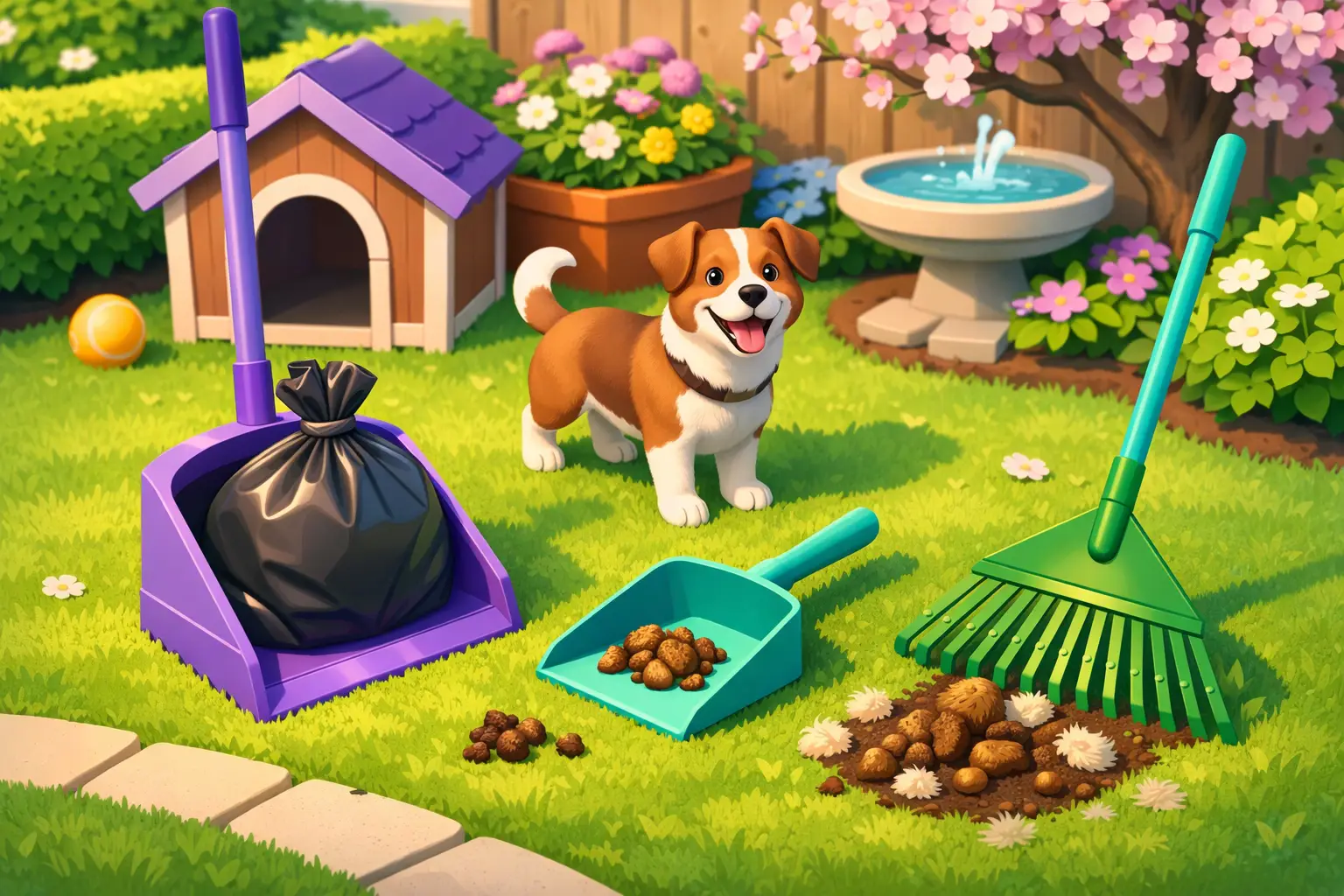
The first warm weekend of spring has a way of revealing everything winter hid. Snow melt exposes waste you meant to grab later, muddy paths show up near the back door, and the yard your dog has been using all season suddenly looks a lot less inviting. Spring yard cleanup for dog owners is not just about appearances. It is about getting your outdoor space clean, usable, and safer for both pets and people.
If you have one dog, the cleanup can feel annoying. If you have multiple dogs, kids, or a busy schedule, it can feel like a full reset. The good news is that it does not have to be complicated. A smart spring cleanup focuses on the mess that matters most first, then gets the yard back into a routine that is easier to maintain.
Why spring yard cleanup matters more when you have dogs
A typical spring yard cleanup already includes sticks, dead grass, leaf buildup, and winter lawn damage. Add dogs to the mix, and you also have pet waste, worn-down potty areas, odors, and sanitation concerns. That changes the job.
Pet waste left over the winter is more than an eyesore. It can make the yard unpleasant to use, create lingering smells as temperatures rise, and expose your family and pets to bacteria and parasites. Even if your dog has no problem running through the mess, most owners would rather not deal with dirty paws, tracked-in mud, or a yard that feels off-limits until it is cleaned.
For households in Greater Philadelphia, spring can be especially messy. Freeze-thaw cycles, wet soil, and compacted grass can turn a normal cleanup into a muddy project fast. If your yard already sees daily dog traffic, spring is the right time to reset it before growth really kicks in.
Start spring yard cleanup for dog owners with waste removal
This is the part nobody wants to do, but it is the part that makes every other task easier. Before you rake, reseed, edge, or wash anything, remove all pet waste from the yard. Otherwise, you are just spreading contamination around and making the cleanup harder.
Go section by section instead of wandering the yard randomly. Start with the usual potty zones, then check fence lines, corners, and any area where snow piles sat during winter. Waste often gets flattened into grass or hidden under leaves, so a slow pass works better than a rushed one.
If the ground is still soggy, timing matters. Cleanup is easier after a couple of dry days because waste is easier to spot and collect, and you are less likely to tear up the lawn while walking it. If your property has gone months without regular scooping, this is often the stage where professional help saves the most time.
Check for winter damage your dog made worse
Once waste is gone, you can actually see what shape the yard is in. Most dog owners find some combination of bare patches, muddy tracks, compacted turf, and yellow or brown spots. Not all of this is serious, but it helps to know what you are dealing with.
High-traffic paths are common, especially between the door and your dog’s favorite area. Those spots may need reseeding, soil leveling, or a more durable solution like a gravel edge or defined path. Urine spots can improve over time, but large damaged areas may need patch repair. If your dog tends to pace along a fence or charge the same route every day, grass may struggle unless you change how the space is used.
This is also a good time to look at gates, fencing, and any damaged landscaping. Winter shifts the ground, and dogs are excellent at finding weak spots.
Rake debris, but do it with dogs in mind
A regular spring rake-up clears dead grass, leaves, twigs, and other debris that built up over winter. For dog owners, it does one more important job. It exposes anything your dog should not be stepping on, chewing, or rolling in.
As you clean, keep an eye out for sharp sticks, moldy leaf piles, broken branches, trash that blew into the yard, and anything toxic or irritating to pets. Even simple yard debris can become a problem if your dog likes to eat things off the ground.
Try not to overdo aggressive raking on wet or weak grass. If your lawn took a beating over winter, heavy raking can pull up healthy growth with the dead material. A lighter pass is often enough to clear the surface and help the yard dry out.
Deal with odor before it settles in
Spring sun brings out every smell winter buried. If your yard has a strong pet odor in early spring, it usually means waste sat too long or moisture has been trapped in the same areas repeatedly.
The first fix is always removal. No deodorizer can solve a waste problem that is still sitting in the grass. After the yard is fully scooped, you can address lingering smell in problem zones with pet-safe deodorizing or sanitizing treatments. This can help near patios, turf areas, dog runs, or spots where the ground stays damp.
It depends on the surface. Natural grass may recover with cleanup, sunlight, and improved drainage. Artificial turf, stone, concrete, and enclosed side yards often hold odor longer and need more targeted treatment. If your dog uses the same compact area every day, odor control usually works best as an ongoing part of yard care rather than a one-time spring job.
Make the yard easier to maintain all season
The best spring cleanup is the one that prevents the same headache next month. Once the yard is reset, think about what would make upkeep simpler.
For many dog owners, that means defining a potty area. A clear designated zone reduces wear across the whole lawn and makes waste pickup faster. Others benefit from adding a path to cut down on muddy paw traffic or setting up a better waste disposal routine so bags and bins are not an afterthought.
If you have kids using the yard too, separation helps. A cleaner division between potty space and play space makes the whole yard more enjoyable. It does not need to be fancy. It just needs to be practical.
When DIY cleanup makes sense and when it does not
Some owners can knock out spring cleanup in an hour. Others are looking at months of buildup, a large property, multiple dogs, or a yard that is too muddy to handle easily. That is where the trade-off becomes clear.
Doing it yourself saves money if the yard is small and you have time to stay on top of it. But if cleanup keeps getting pushed to next weekend, the job only gets worse. Pet waste accumulates fast, and once the season starts, most people would rather enjoy the yard than spend every Saturday catching up on it.
Professional service makes the most sense when convenience, consistency, and sanitation matter more than squeezing it into your schedule. That can be especially true for working families, multi-dog homes, shared properties, and commercial spaces that need to stay clean without constant oversight.
A simple schedule for spring yard cleanup for dog owners
You do not need an elaborate plan. A good spring reset usually happens in stages over a week or two.
Start with a full waste cleanup. Then remove leaves, sticks, and winter debris. After that, check damaged lawn areas, problem odors, and any muddy or worn spots that need a better setup. Once everything is usable again, the real goal is keeping it that way with regular scooping and occasional maintenance.
That last part is what makes the biggest difference. A yard that gets cleaned consistently is easier to manage, smells better, and stays ready for everyday use. It also turns spring cleanup from a dreaded annual event into a much lighter touch-up.
Don’t forget the surfaces beyond the lawn
Dog owners often focus on the grass and forget the rest of the yard. Patios, walkways, decks, pet waste bins, and even fence lines can all hold grime after winter. If those spaces are part of your dog’s routine, they deserve attention too.
A quick wash can remove residue and help cut down on odor around entryways and outdoor seating areas. Bin cleaning matters more than people think as temperatures warm up. If the container itself smells bad, the whole yard can feel less clean even after the waste is gone.
This is where a more complete outdoor maintenance approach can pay off. Waste removal handles the main problem, but sanitizing, deodorizing, and surface cleaning can make the yard feel truly ready again.
A clean yard changes how often you use it. Dogs get more room to roam, kids can play without you second-guessing every step, and you are not staring at a spring project every time you look outside. If the job feels bigger than the time you have, let someone else do the hard part and give yourself the yard back.
Ready to reclaim your yard and peace of mind?
Contact Us for a free quote or visit our FAQ for more information.
Poop Scoop Protocol
Clean Lawns. Happy Dogs.
info@PoopScoopProtocol.com
(267) 667-6673